
En esta noticia
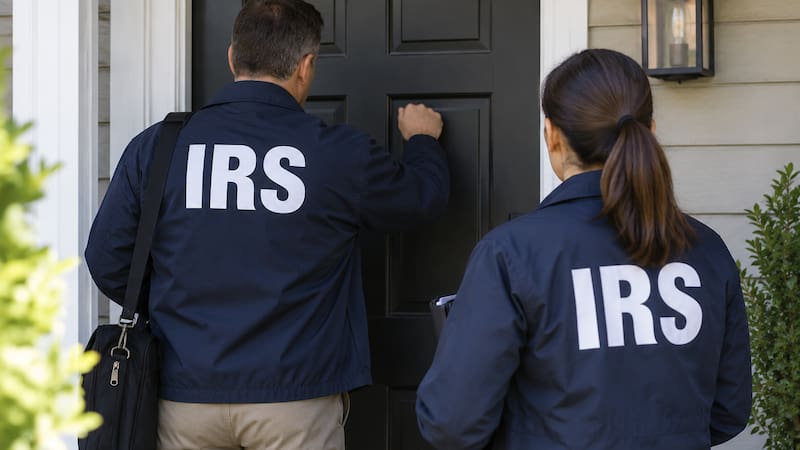
The Internal Revenue Service (IRS) in the United States can send officials to private homes and businesses to conduct audits, handle tax debts or carry out investigations. However, these visits are uncommon and, in most cases, the agency contacts people in advance by postal mail.
According to the IRS on its official website, since July 2023 most unannounced visits by revenue officers have been eliminated, with the aim of reducing confusion and improving taxpayer security.


In what cases can an IRS agent show up at your home?
The agency identifies four types of officials authorized to make in-person visits, each with specific responsibilities:
- Audit agents: review financial records and tax returns. Generally, they notify the taxpayer by mail before making a visit.
- Revenue officers: intervene when there are unpaid taxes or unfiled returns. Usually, they send a letter or call to schedule a meeting.
- Criminal investigators: investigate possible tax and financial crimes. They may show up without prior notice, but they do not demand payments.
- Fuel inspectors: carry out inspections at facilities related to the production, storage or sale of taxable fuels. They may conduct inspections without notice.
In the case of revenue officers, the IRS usually uses Letter 725-B, an official notice to schedule a meeting with the taxpayer over tax returns that have not been filed or tax debts.
How do you know if an IRS agent is real?
The IRS states that its officials must have official identification that allows their identity to be verified.
Audit, revenue and fuel inspection agents carry two credentials: an IRS-issued identification, known as a pocket commission, and an HSPD-12 card. Both include a photograph and employee identification number.
Criminal investigators, for their part, present credentials from federal law enforcement.
To avoid scams, the agency recommends asking for identification and verifying the information before providing personal or financial data.
It also warns that scammers often demand immediate payment, threaten arrest or request confidential information.
If you are visited by someone suspicious, taxpayers can consult the official channels available at IRS.gov and verify the official’s identity before continuing with any process.