
En esta noticia
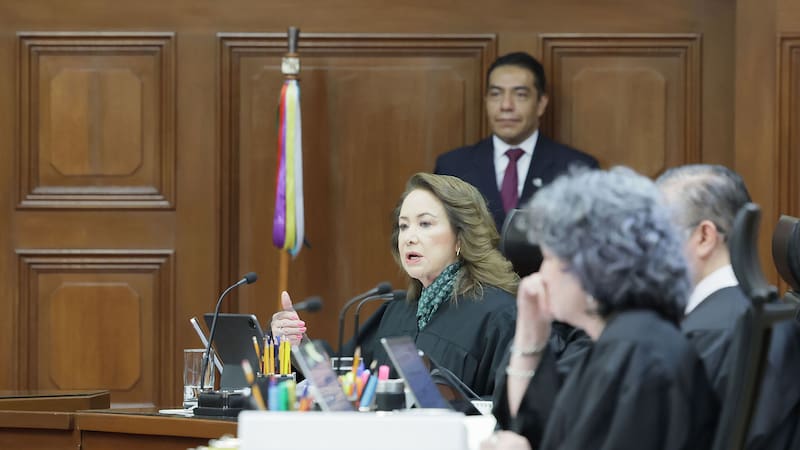
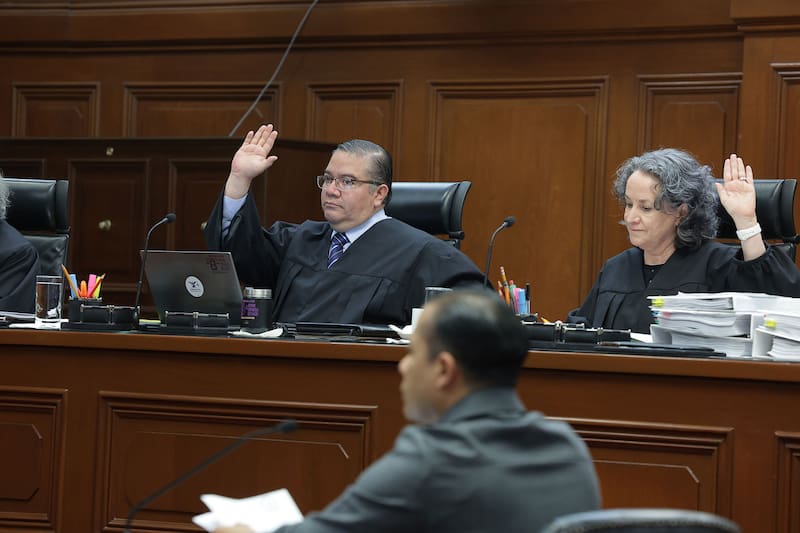
The Supreme Court of Justice of the Nation (SCJN) of Mexico ruled in 2022 that employers must pay the contributions to the National Workers’ Housing Fund Institute (Infonavit) that they failed to make during an employment relationship, even if that relationship has already ended.
The ruling protects workers’ right to housing and allows them to claim payments that were not covered.
The ruling corresponds to precedent 2a./J. 25/2022 (11a.), stemming from Thesis Conflict 284/2021 and published under digital record 2025032. The Second Chamber established that the employer’s obligation does not disappear just because the employment relationship has ended.
What did the Supreme Court decide about Infonavit contributions?
The Second Chamber held that, when a labor lawsuit shows the employer failed to pay housing contributions and does not prove it met that obligation, labor authorities must order it to cover them for the entire period the employment relationship lasted, even if that relationship no longer exists.
The ruling refers to the individual action provided for in Article 152 of the Federal Labor Law (LFT).
To apply, the existence of the employment relationship and the employer’s failure to pay the contributions must be proven. The ruling also covers cases in which the employer did not enroll the worker during the time the worker provided services.
Which workers can claim contributions that their employer failed to pay?
The precedent recognizes that workers can claim housing contributions that were not paid to Infonavit, even after their employment relationship ends.
The key points of the ruling include:
- Proven employment relationship: it must be shown that a working relationship existed with the employer.
- Failure to pay contributions: the worker claims the housing payments that were not covered during that period.
- Lack of proof by the employer: if the employer does not show that the payments were made, the corresponding order applies.
- Retroactive payment: the employer must pay the contributions for the time the employment relationship lasted, even if it has already ended.
- Right to social security: compliance makes it possible to recognize rights that were not granted to the worker in time.
The Supreme Court also made clear that this obligation is separate from Infonavit’s enforcement powers. In other words, the institute’s ability to audit the employer does not prevent the worker from seeking the missed contributions in court.
Under Article 29, Section II, of the Infonavit Law, employers must make contributions equal to 5% of each worker’s integrated daily wage and deposit them into the worker’s housing subaccount.
The institute says this amount is an employer benefit that must not be deducted from the employee’s wages, since it is an obligation borne by the employer.