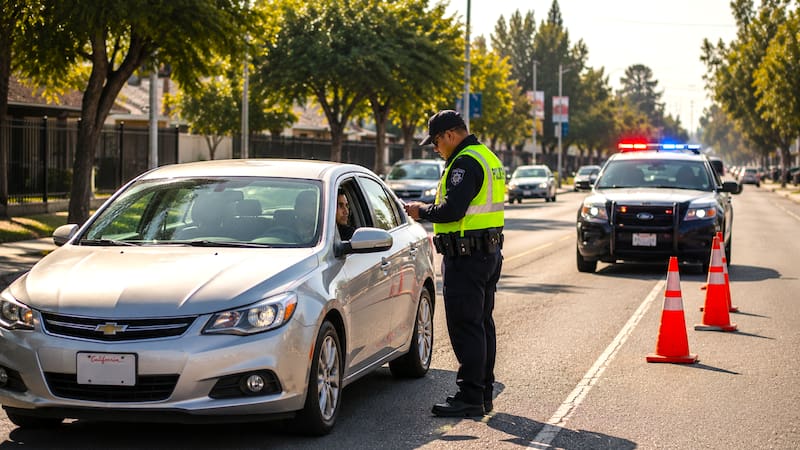

En esta noticia
The Department of Motor Vehicles (DMV) of California penalizes all drivers who do not comply with the zero-tolerance policy toward personal and public-risk behavior.
Among the most common penalties for those who do not comply with what the California DMV establishes are vehicle seizure and driver’s license revocation, even if it is the first offense.

The Government will be able to confiscate vehicles and cancel driver’s licenses: What is established as zero tolerance?
These measures are included in the so-called California Gipson Law, which is part of the state zero-tolerance strategy against driving behaviors considered high risk.
It specifically targets illegal street racing, speed exhibitions, and other events that put both pedestrians and motorists at risk.
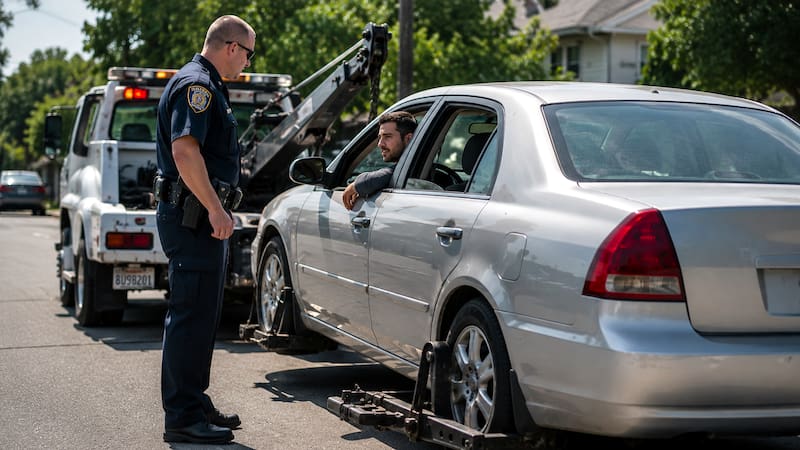
With this law, the aim is to allow an immediate response from the authorities to discourage this type of activity, which has been linked to an increase in serious accidents and deaths on public roads.
The Government can impose penalties under the Gipson Law: What kind of penalties?
When the authorities identify a driver who engages in the behaviors covered by the Gipson Law, various administrative and criminal measures may be applied, including:
- Immediate vehicle seizure
- Driver’s license suspension
- Revocation or cancellation of the license
- Fines
- Criminal charges