En esta noticia
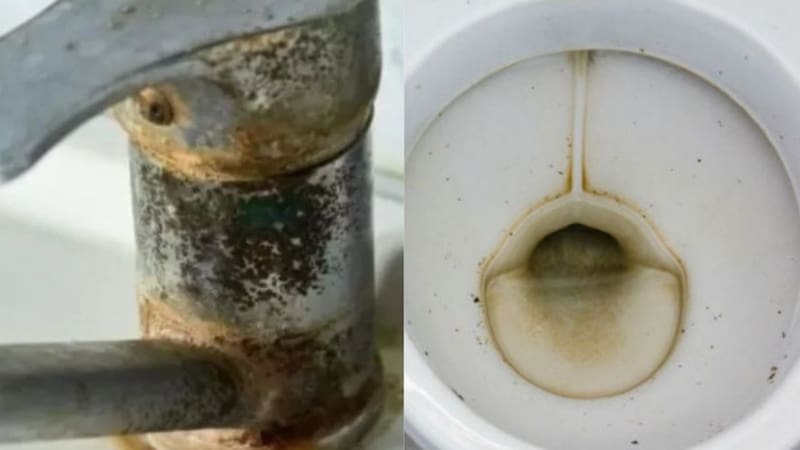
Keeping the bathroom in impeccable condition can be a complex task. As time goes by, stains, rust, and limescale build up on faucets and the toilet.
There is an effective and easy-to-do method, which does not require harsh chemicals or expensive ingredients.
This procedure uses simple ingredients that are found in almost every kitchen.
The unexpected product that helps remove bathroom limescale
One of the most recommended methods for fighting limescale on bathroom surfaces uses citric acid, a natural compound present in fruits such as lemon and that can also be found in powder form.
This ingredient is valued because it has properties capable of helping dissolve the mineral deposits that form limescale, especially those that appear around faucets, showers, taps, and inside the toilet.
Unlike other household products, citric acid acts on accumulated calcium and mineral residues, making them easier to remove without the need for aggressive scrubbing.
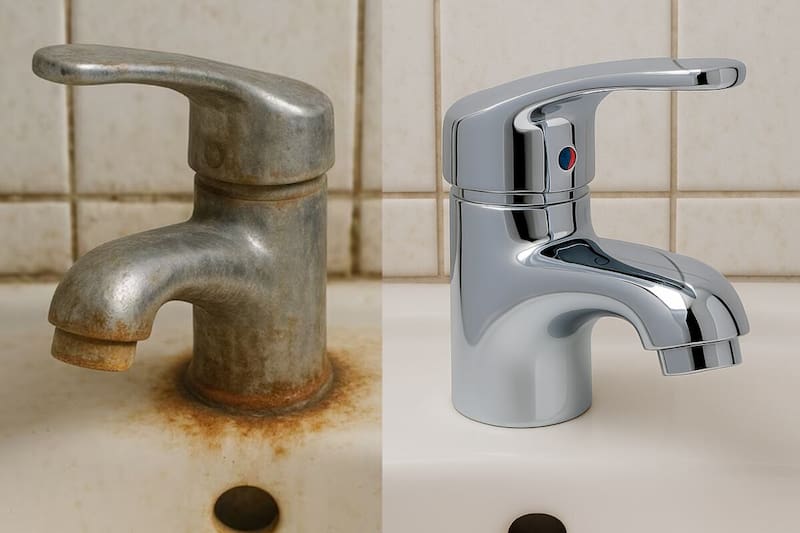
How to use citric acid to remove limescale from faucets
To apply this method to taps or faucets, the recommended procedure is usually:
- Mix citric acid powder with hot water until a solution forms.
- Apply it to the limescale area using a cloth or a sponge.
- Let it sit for a few minutes.
- Gently rub until the residue comes off.
- Rinse with plenty of water and dry the surface.
In cases where the limescale is very stuck on, some people place the mixture on a cloth around the faucet for longer to allow the product to act on the mineral buildup.
The trick to cleaning limescale from the toilet without spending too much
The toilet is usually one of the areas where limescale and yellowish stains build up the most, especially in areas where water remains standing for a long time.
In these cases, the method consists of applying a preparation with citric acid to the affected areas and letting it sit before scrubbing. The product’s action helps loosen the mineral layer and makes cleaning afterward easier.
Specialists recommend avoiding mixing cleaning products with each other, especially those that contain strong chemicals, since some combinations can generate irritating or dangerous gases.

Other places where this cleaning method can be applied
In addition to the bathroom, citric acid is also often used to combat mineral buildup in different areas of the home, such as:
- Showers with hard water residue.
- Electric kettles with white deposits.
- Tiles with mineral stains.
- Kitchen faucets.
- Durable metal surfaces.
It is always advisable to test the product on a small area first and avoid using it on sensitive materials that could be damaged by acidic substances.