
En esta noticia
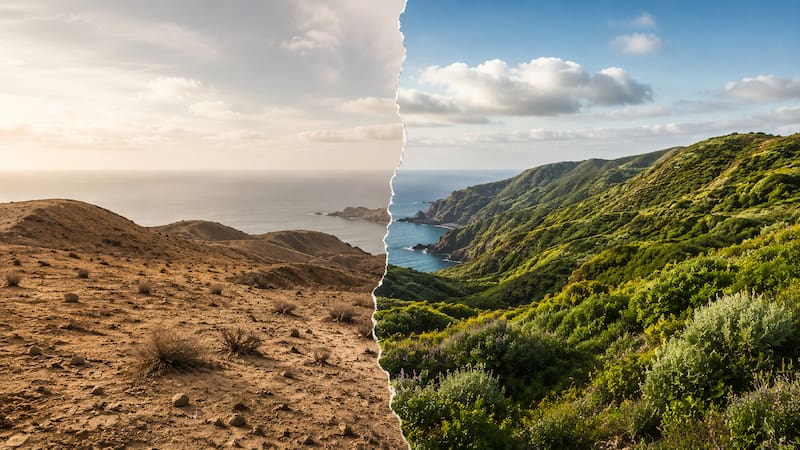
In 1977, California completed the removal of the last introduced herbivores on San Miguel Island. The National Park Service confirmed this milestone in the state’s environmental history.
The landscape, once described as a “barren sand mound,” is now covered with native vegetation across much of its surface, after decades of ecological recovery.
What changed on San Miguel Island after the herbivores were removed?
San Miguel Island, located at the western end of Channel Islands National Park, was used for decades for the raising of sheep, cattle, horses, and donkeys. Those animals reduced vegetation cover and damaged the island’s fragile soils.
The loss of vegetation exposed large areas of soil, which were left vulnerable to erosion from strong winds. That combination led some observers to describe San Miguel as a “barren sand mound.”
Without constant grazing, native grasses, shrubs, and wildflowers spread naturally, without the need for large-scale replanting programs. The roots of these plants helped curb erosion and stabilize the ground.
Over the years, the greater plant cover allowed organic matter to accumulate in the soil, improving its ability to retain moisture and support new vegetation. The recovery was gradual and varied according to the area, soil type, and wind exposure.
Introduced species during the livestock era:
- Sheep
- Cattle
- Horses
- Donkeys
How did vegetation recovery affect San Miguel Island?
The recovery of native vegetation improved the habitats available to local wildlife. San Miguel is home to breeding colonies of seals and sea lions, as well as seabirds.
The National Park Service points out that the island’s isolation made it possible to study this long-term restoration. Nearly five decades later, San Miguel is a reference case for island ecological recovery.