En esta noticia
Chicken is one of the most consumed foods in homes, but also one of the ones that requires the most care when storing it.
Although many people believe the fridge is enough to keep it in good condition for several days, in reality its shelf life is much more limited.
Knowing how long cooked chicken and raw chicken last in the fridge can prevent food poisoning and help maintain food quality.
How many days does cooked chicken last in the fridge?
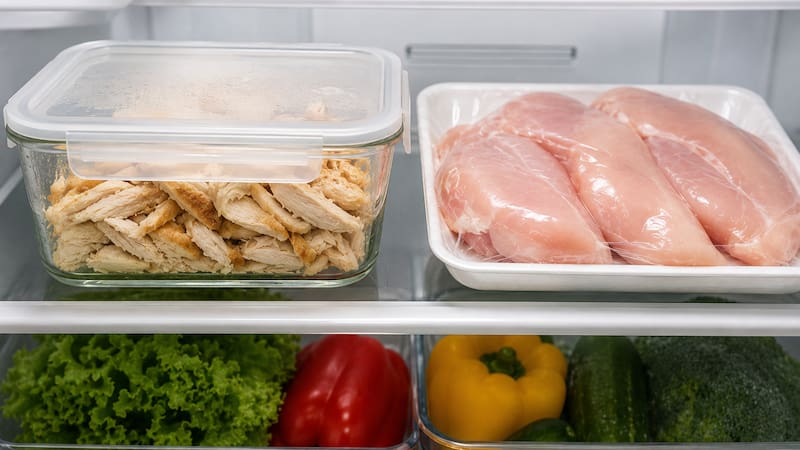
According to the recommendations of the Mayo Foundation for Medical Education and Research (Mayo Clinic), cooked chicken can be stored for between three and four days in the fridge if it is kept properly refrigerated.
After that time, the risk increases that bacteria capable of causing foodborne illness will spread, even when the chicken still appears to be in good condition.
Specialists recommend storing the chicken within two hours after cooking it, since leaving it too long at room temperature encourages the growth of microorganisms.
How long can raw chicken stay refrigerated?
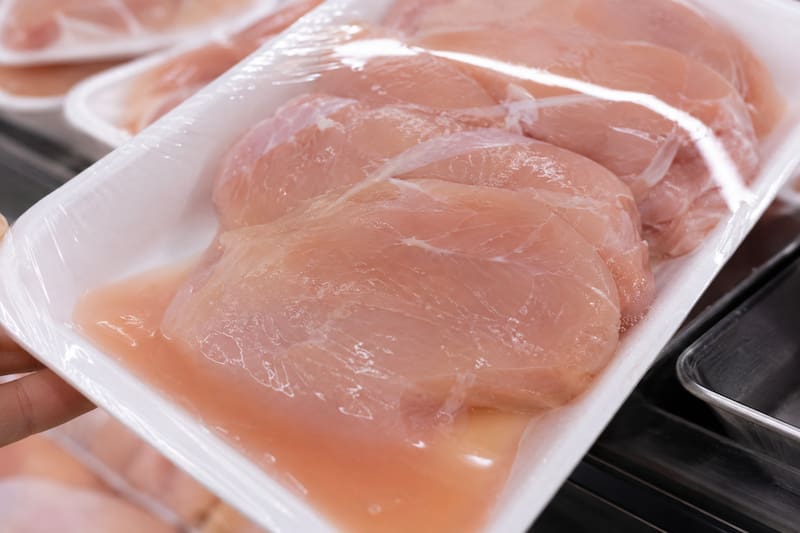
Uncooked chicken has a much shorter shelf life.
Food safety organizations recommend cooking it within the first or second day after buying it, since it may contain bacteria such as Salmonella, Campylobacter or E. coli.
That is why it is important to always keep it refrigerated and separate from other foods to avoid cross-contamination.
How to store chicken properly so it lasts longer
To keep chicken in the best possible condition, it is advisable to follow these recommendations:
- Use airtight containers or well-sealed bags.
- Store it in the coldest part of the fridge, away from the door.
- Place raw chicken on the lower shelves to prevent its juices from contaminating other foods.
- Label the container with the cooking or purchase date.
- Do not refrigerate it again after it has been out of the refrigerator for several hours.
How can you tell if chicken is no longer safe to eat?
Although it is always advisable to respect storage times, some signs that the chicken should be thrown away:
- Sour or unpleasant smell.
- Slimy or sticky texture.
- Noticeable color changes.
- Presence of mold.
If any of these signs appear, the safest thing is not to eat it, even if the recommended maximum refrigeration time has not yet passed.
The best way to prevent food poisoning remains combining proper storage with respect for the time limits established by specialists.