
En esta noticia
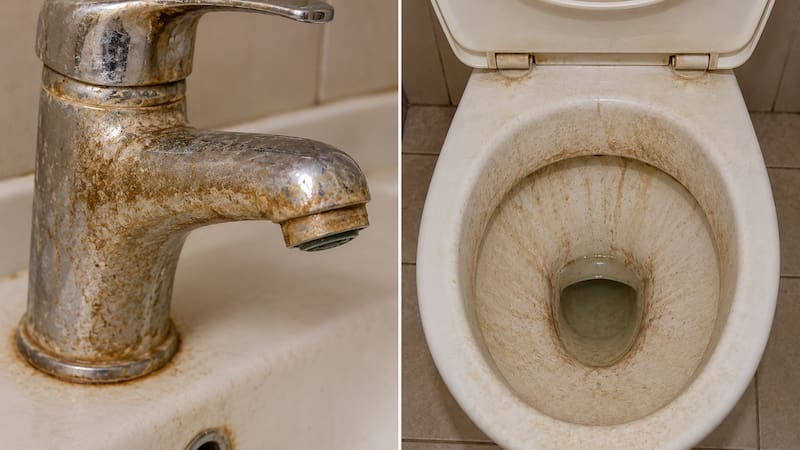
Over time, limescale, rust, and stubborn stains begin to build up in the bathroom, especially in the toilet, the faucets, and the shower screens.
Although many people turn to vinegar or baking soda, they are not always the most efficient alternative for removing the most persistent dirt.
Artificial Intelligence identified a different method that stands out for its effectiveness, ease of use, and because it does not require harsh chemicals.
What is the best way to remove limescale from the toilet and faucets?
According to ChatGPT, the most recommended product to fight limescale is citric acid powder.
It is a natural compound that removes mineral deposits very effectively, does not give off strong odors, and is safe for most bathroom surfaces.
In addition to the toilet, it can also be used on:
- Faucets.
- Tap fittings.
- Tiles.
- Shower screens.
Among its main advantages are that it is an eco-friendly, powerful, and non-corrosive product.
How do you use citric acid to clean the toilet?
The AI recommends following these steps:
- Dissolve 2 or 3 tablespoons of citric acid in hot water.
- Pour the mixture into the toilet.
- Let it sit overnight.
- The next morning, scrub with a brush.
- Finally, flush.
Citric acid can be found in health food stores, natural products shops, and online stores.
How do you remove limescale from faucets?
For tap fittings, showers, and shower screens, the recommendation changes.
In these cases, ChatGPT advises using fresh lemon.
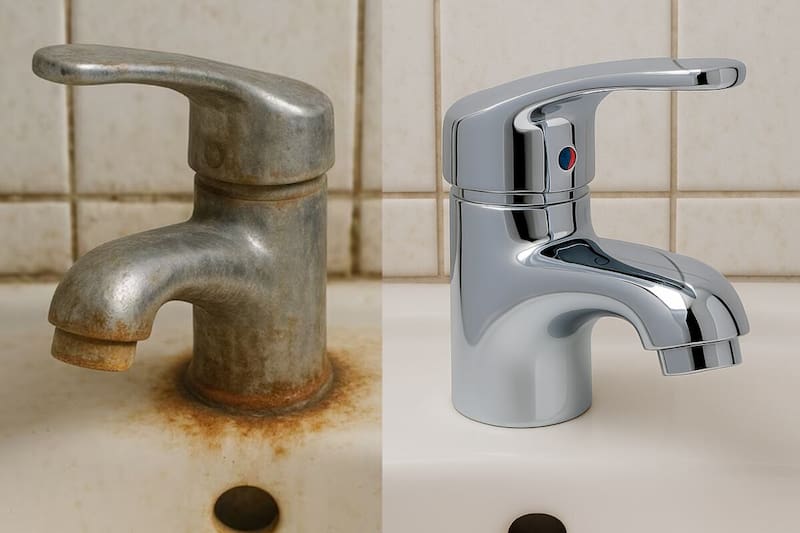
The procedure consists of cutting a lemon in half and rubbing it directly onto the surface affected by limescale.
Then it should be left to act for between 10 and 15 minutes and, finally, rinsed with hot water.
Do vinegar and baking soda still work?
Yes. Although the AI considers citric acid to be the most effective alternative, white vinegar remains one of the most widely used home remedies for removing limescale.
Other options can produce good results, such as:
- White vinegar and water.
- Lemon juice with coarse salt.
- Hot water with baking soda.
- White vinegar combined with baking soda.
Each of these methods helps loosen limescale and makes cleaning the toilet easier, although their effectiveness may vary depending on the level of buildup.
How can you prevent limescale from appearing again?
Beyond the product used, the best strategy remains prevention.
Specialists recommend:
- Do a deep clean at least once a week.
- Apply white vinegar periodically.
- Repair any water leak as soon as possible.
- Keep the bathroom well ventilated to reduce humidity.
- Prevent limescale from staying on surfaces for too long.
- Run the toilet brush through frequently to prevent residue buildup.
With a consistent cleaning routine and the right product for each case, it is possible to keep the toilet, the faucets, and the rest of the bathroom free of limescale for much longer.