
En esta noticia
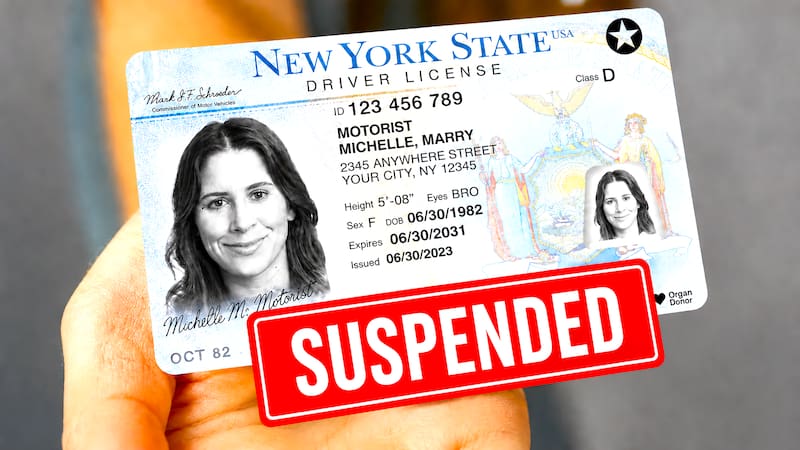
In New York, the Department of Motor Vehicles (DMV) establishes that as an essential requirement, drivers keep their insurance coverage up to date in order to drive. Those who drive within the state without meeting this requirement risk losing both their driver’s license and their vehicle registration.
For this type of situation, the New York DMV has a mechanism called “insurance lapse” in which insurance companies directly inform the state agency when a vehicle no longer has the mandatory insurance.
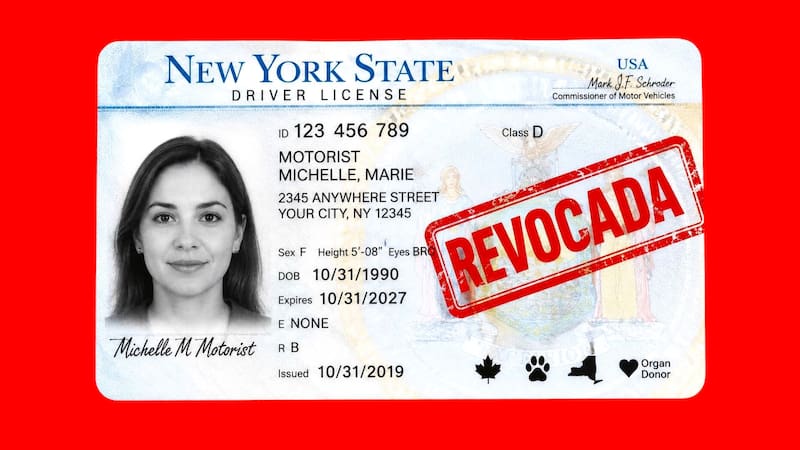
The Government revokes, one by one, all driver’s licenses and registration: Why can’t insurance be allowed to expire?
It is important not to let mandatory insurance expire or cancel it, since the DMV may suspend:
- The vehicle registration.
- The license plates.
- The driver’s license.
In addition, it can also impose fines and civil penalties, even if it is a car that is stored. If it has plates, it must be insured.
The sanctions applied by the Government: What penalties can the DMV impose?
The DMV calculates the suspension period for permits and registrations according to how much time has passed without coverage.
Additionally, if one wishes to waive a suspension, a civil penalty can be paid, which is also calculated according to the number of days that have passed since the insurance lapsed:
- Up to 30 days: 8 dollars per day.
- Up to 60 days: 10 dollars per day.
- Up to 90 days: 12 dollars per day.
If this last period is exceeded, the suspension can no longer be avoided by paying a fine. Additionally, this option is only available every 36 months.
What should be done when the DMV sends a letter?
When a letter is received from the DMV, you can:
- Submit proof that the vehicle has been insured again.
- Show that the interruption was an error by the insurer.
- Pay the civil penalty if the law allows it.
- Hand in the plates to begin serving the suspension period.