

En esta noticia
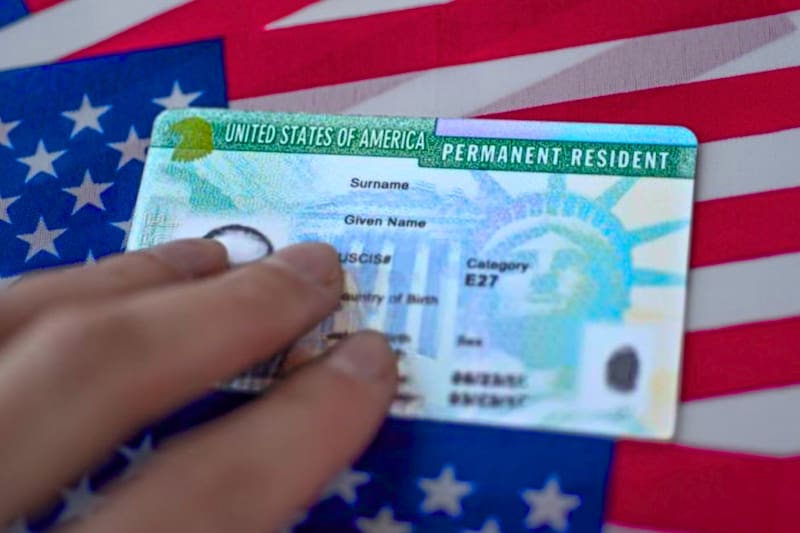
Those who obtain Form I-551, the Permanent Resident Card, known as Green Card, can enter the United States without needing a valid visa in the passport. This is established by the U.S. Citizenship and Immigration Services (USCIS), which recognizes this card as sufficient proof of legal status upon each entry into the country.
The Green Card certifies that its holder can live and work permanently in the United States. Unlike a visa, it does not have an expiration date tied to a specific trip: it allows the resident to enter and leave the country as many times as needed while maintaining valid status.

What is Form I-551 and why does it replace the visa?
Form I-551 is the official name of the Green Card. It is issued once USCIS approves permanent residence, whether the process was started within the United States or from abroad through a consulate.
With that card in hand, the resident presents the document at the port of entry as proof of status. No additional visa is needed because Form I-551 already certifies that the person is authorized to reside in the country indefinitely.
Who can apply for Form I-551?
According to USCIS, access to the Green Card depends on the applicant’s immigration category:
- Immediate relatives of U.S. citizens or permanent residents
- Workers with a qualified job offer or extraordinary abilities (EB categories)
- Asylees or refugees who meet one year of physical presence in the country
- People eligible under special provisions, such as continuous registry since before 1972
How is Form I-551 processed and what happens if it expires?
The process begins with Form I-485 if the applicant is already in the United States or with consular processing if they are abroad. Each family or employment category has specific eligibility requirements that USCIS details according to the relationship or occupation.
The physical Green Card is valid for ten years and must be renewed before it expires through Form I-90. If it expires without renewal, permanent resident status is not automatically lost, but the holder is left without the physical document needed to prove it upon each entry into the country.