
En esta noticia
The first “smart highway” in California is now operating and promises to transform the way traffic is managed in one of the state’s most congested areas.
This is a 33-million-dollar pilot project that combines technology, real-time signage, and automated systems in order to improve traffic flow without the need to build new lanes.
The system went into operation this Monday, June 1, on a stretch of Interstate 13 (I-15), one of the busiest roads in Southern California. The corridor runs for approximately 12.87 km/h between the border of San Diego and Riverside counties, in Temecula, and the interchange of the I-15 and I-215 highways in Murrieta.

How this smart highway in California works
The project, called the Smart Freeway Pilot Project, was developed by the Riverside County Transportation Commission (RCTC) in collaboration with Caltrans, the city of Temecula, and other regional entities.
The initiative uses advanced technology to manage vehicle flow in real time. The main measures implemented include
- Coordination of ramp meters on Temecula Parkway, Rancho California Road, and Winchester Road
- Dynamic adjustment of vehicle entry times onto the highway during peak traffic hours
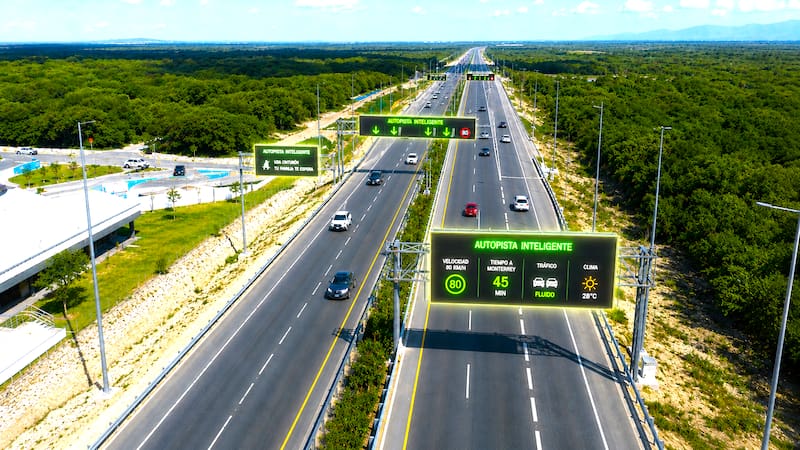
- Installation of digital panels showing recommended speeds in real time
- Continuous monitoring of traffic conditions to reduce sudden braking and congestion
What will change for drivers with this new smart highway
Authorities warned that motorists could experience slightly longer wait times when entering the highway during peak hours.
However, they maintain that the goal is to reduce total travel time along the corridor by better distributing vehicle flow.
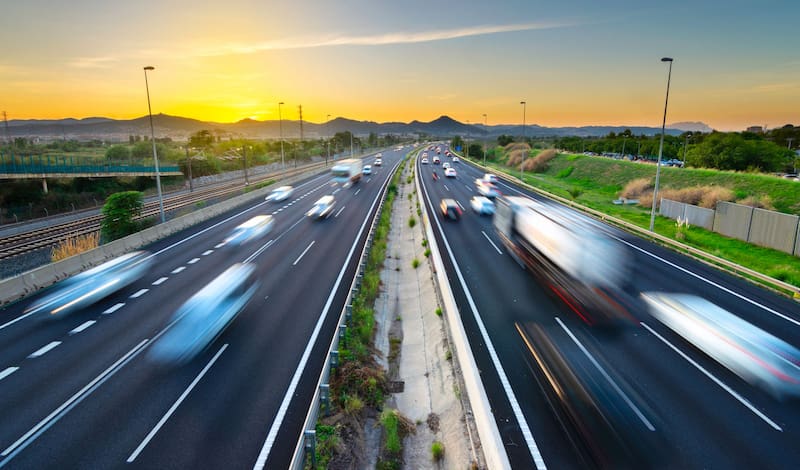
In addition to ramp meters, digital signs will display recommended speeds to help maintain smoother traffic flow and reduce the risks associated with sudden speed changes.
A pilot project that will last two years
The highway will initially operate as a two-year pilot program in which data will be collected to evaluate the system’s performance and determine whether it succeeds in improving traffic conditions.
Authorities announced that performance metrics will be published to inform the community about the results obtained.