
En esta noticia
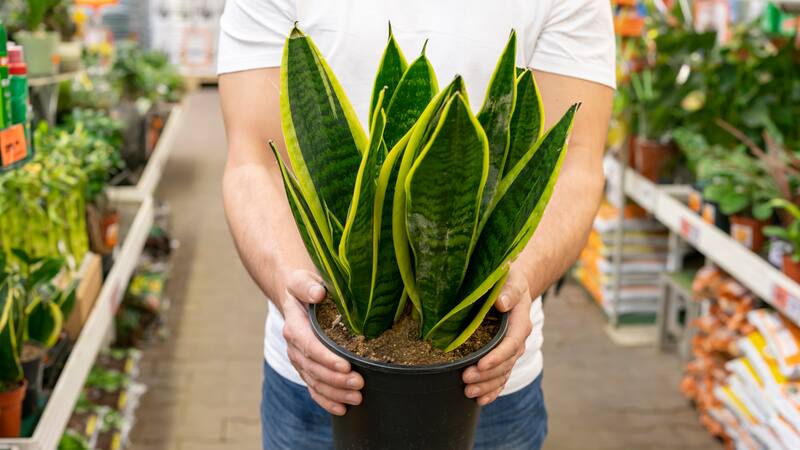
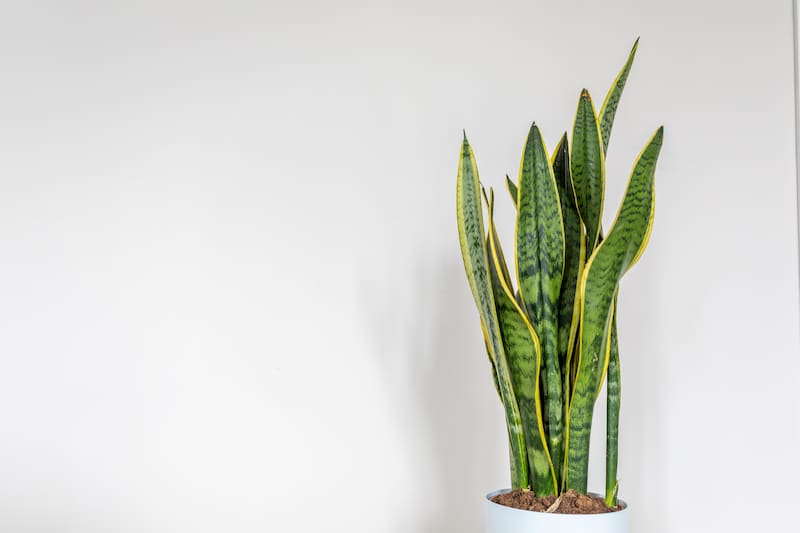
The snake plant, also known as the Sansevieria or mother-in-law’s tongue, has become one of the most practical options for decorating homes.
Its ability to tolerate low-light conditions, go for long periods without watering, and stay in good shape with minimal care explains why horticulturist Gerald Klingaman, who published an article on the University of Arkansas Division of Agriculture Extension Service, says it is a plant that “simply does not die”.
Why the snake plant is one of the hardiest plants
The main advantage of the snake plant is its ability to stay alive even when it does not get the constant attention that other houseplants need.
Its thick, fleshy, elongated leaves, which can reach between 90 and 120 centimeters in some varieties, are part of a structure adapted to conserving resources and tolerating challenging environmental conditions.
According to Klingaman, this species is so hardy that it is especially well-suited for people who are just starting to care for plants. In fact, the expert also says it is a good option for children because “its resilience builds confidence, and its slow growth teaches patience.”
How much water a snake plant needs and where to place it in the home
The snake plant does not need frequent watering to survive, which makes it an especially convenient choice for people who spend much of the day away from home or tend to be forgetful.
The University of Arkansas explained that Sansevierias can survive with the light levels typically found inside a home: “In corners with very little light, they will stay there without a problem.”
To care for it properly, keep the following recommendations in mind:
- Watering: Let the potting mix dry out before watering again and avoid leaving the roots waterlogged.
- Lighting: Place it where it can receive indirect light. It tolerates low-light conditions.
- Temperature: Protect it from frost and extremely cold drafts.
- Pot: Use a container with drainage holes to prevent water from collecting.
- Fertilizer: Apply fertilizer sparingly during the growing season, without considering it essential to keep it alive indoors.