
En esta noticia
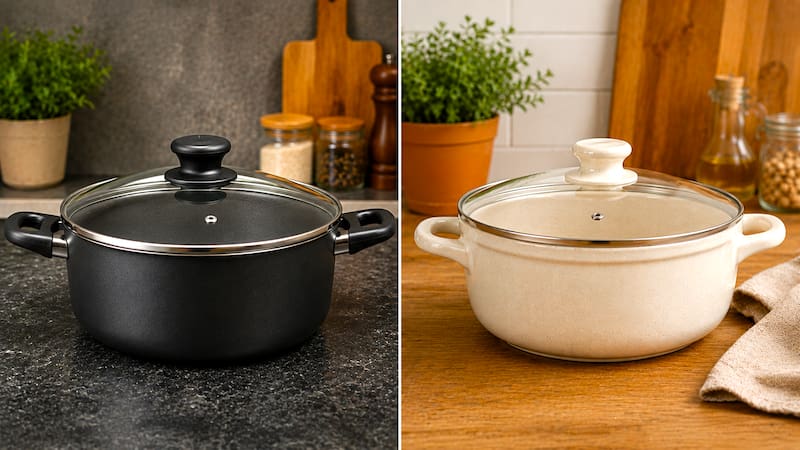
When buying pots and pans, the question arises of which material is best for cooking food, although many may also prioritize durability. The truth is that both Teflon and ceramic pots have a non-stick coating but they do not work the same way or have the same benefits.
Given this, many may find it hard to decide which to choose, so it becomes necessary to consider what the differences are between each one so that a decision based on the particular needs of each kitchen can be made.
Teflon pots vs ceramic pots: which is better
Although both are popular for being non-stick, they have differences and knowing the characteristics of each one can help when making a decision.
What are the characteristics of Teflon pots?
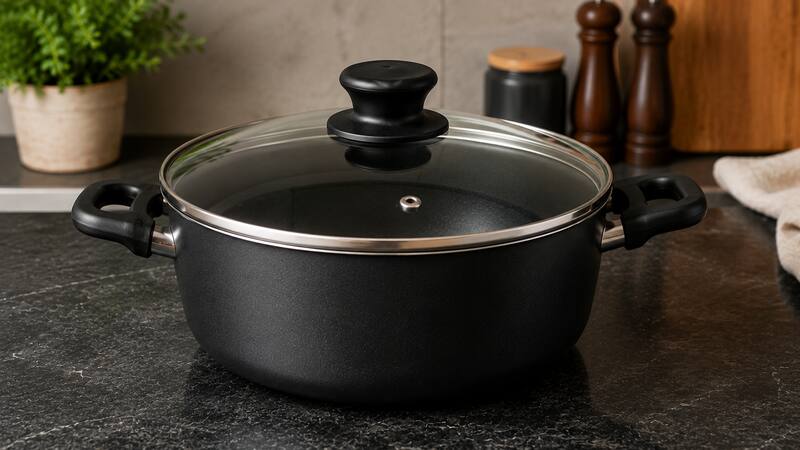
Teflon pots are coated with polytetrafluoroethylene (PTFE), a synthetic plastic material whose main characteristic is high non-stick performance. This prevents food from sticking and also allows cooking with little fat.
They are lightweight, easy to wash and heat up more quickly, but the downside is that they are more sensitive to scratches, in addition to not tolerating extreme heat. The base material is usually aluminum, which helps distribute heat evenly.
Care and risks of Teflon pots
This material is not toxic in itself, but its use carries risks:
- If heated above 260°C, Teflon decomposes and releases toxic fumes that can cause a temporary illness with fever and headache
- On the other hand, if Teflon is scratched, it can stick to food. Although it is PTFE and no longer the perfluorooctanoic acid (PFOA) that was used before, which means it is no longer toxic and the body eliminates it without absorbing it.
What are the characteristics of ceramic pots?
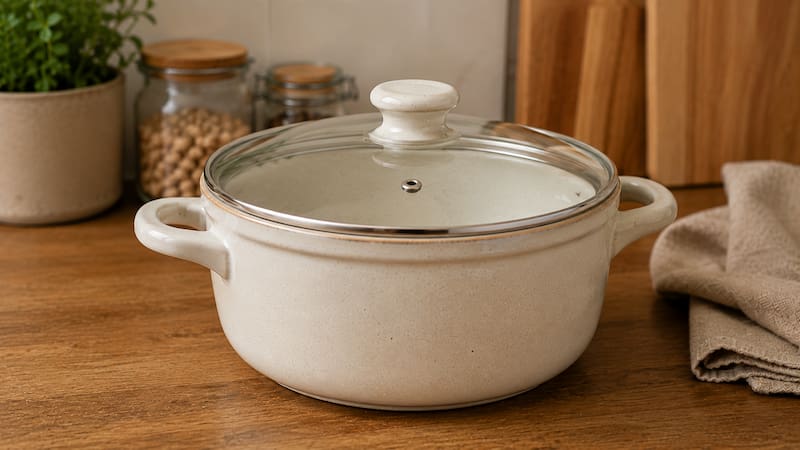
Ceramic pots are usually the ones most recommended by experts because it is a natural non-stick surface free of chemicals like Teflon.
Their material distributes heat evenly and also allows using less oil when cooking, and it also allows food to cook in its own juices, so meals retain their moisture. Thanks to their smooth coating, food residue is easily cleaned.
Care and risks of ceramic pots
The main risk occurs when the coating is scratched or loses its non-stick layer, since it then comes into contact with the aluminum or metals underneath. To avoid exposure, the ideal is:
- Use wooden or silicone utensils
- Wash by hand with a soft sponge
- Use medium-low heat so the coating does not burn


Which one is recommended to buy according to each kitchen’s needs: Teflon pots or ceramic pots?
The answer varies depending on what each person is looking for: those who prioritize convenience and quick cooking will find that Teflon pots can better meet their kitchen needs. On the other hand, if durability and resistance are valued more, the ideal choice is to buy a ceramic pot.