En esta noticia
Keeping windows spotless can be frustrating, especially when streaks remain after cleaning. While many commercial glass cleaners promise crystal-clear results, one common kitchen ingredient has become a popular alternative for homeowners looking for a simple and inexpensive solution.
White vinegar has long been used as a natural cleaner because of its acidity, which helps dissolve mineral deposits, grease, and other residues that often leave glass looking cloudy. When used correctly, it can help make window cleaning easier and improve the final finish.
Why Vinegar Works on Windows
The main ingredient in white vinegar is acetic acid, a mild acid that helps break down dirt, soap residue, fingerprints, and hard water spots that accumulate on glass over time.
Unlike some cleaning products that can leave behind residue, vinegar evaporates quickly, helping reduce streaks when paired with the right cleaning technique.
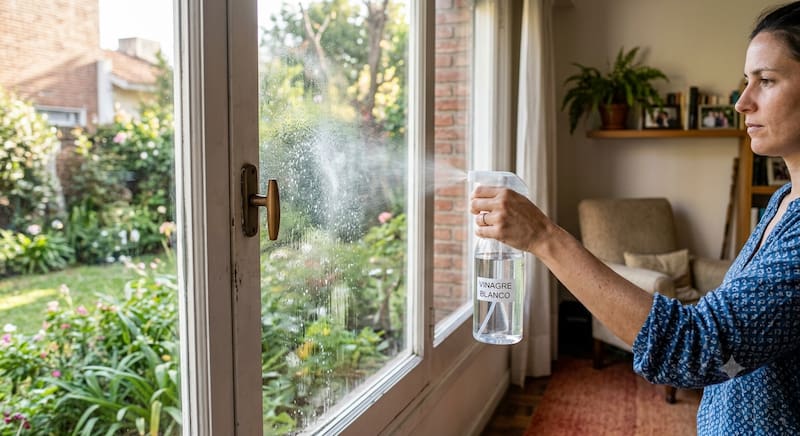
For the best results, experts recommend spraying vinegar directly onto the glass before wiping it with a clean microfiber cloth.
How to Clean Windows With Vinegar
You only need a few household items:
- White vinegar.
- Warm water.
- A spray bottle.
- A clean microfiber cloth.
Mix equal parts white vinegar and warm water in the spray bottle. Spray the solution evenly across the window and let it sit for about one minute before wiping the surface with a microfiber cloth using circular motions. Finish by drying the glass with a clean, dry cloth for a streak-free shine.
When You Should Avoid Using Vinegar
Although vinegar is effective on most glass surfaces, it is not suitable for every material.
Avoid using vinegar on:
- Natural stone surfaces such as marble or granite near window frames.
- Glass with special protective coatings if the manufacturer advises against acidic cleaners.
- Damaged or cracked glass where liquids may seep into the frame.
For routine household windows, however, diluted white vinegar remains one of the simplest and most affordable alternatives to many commercial glass cleaners.
Additional Tips for Streak-Free Windows
To improve the results even more, homeowners can follow a few simple recommendations:
- Clean windows on a cloudy day instead of in direct sunlight.
- Always use a clean microfiber cloth instead of paper towels.
- Wipe from top to bottom to prevent drips.
- Dry the edges of the glass last to remove any remaining moisture.
With just a spray bottle, white vinegar, and a few minutes of work, homeowners can remove everyday grime and leave windows looking cleaner without relying on expensive specialty products.