
En esta noticia
Aluminum foil is one of the most versatile products in any kitchen. It is used for oven cooking, storing food in the refrigerator, protecting sandwiches, or even preventing dishes from sticking to baking trays. Its heat resistance and practicality make it a day-to-day staple.
However, there is a question that still confuses: which side of the aluminum foil should be in contact with the food, the shiny side or the matte side? The answer may surprise more than a few people.
Why aluminum foil has two different sides
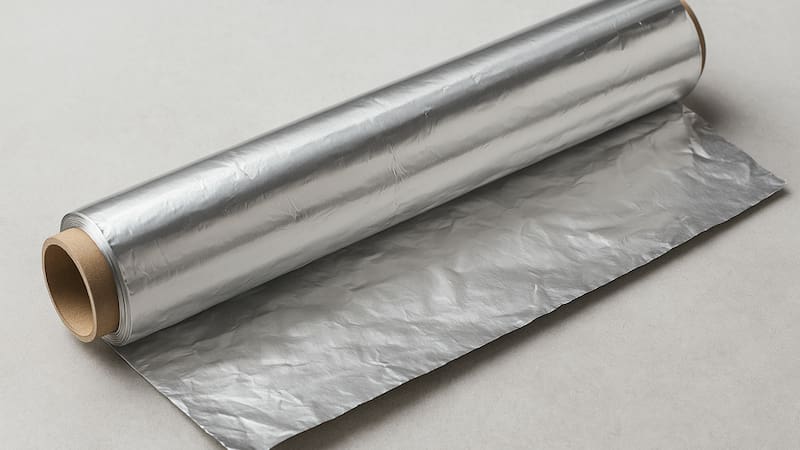
The difference between the two surfaces has nothing to do with preservation or food safety, but rather with the manufacturing process. During production, the aluminum is pressed in two layers to prevent it from breaking. One of them comes into contact with the rollers and gets that shiny finish, while the other retains a matte tone.
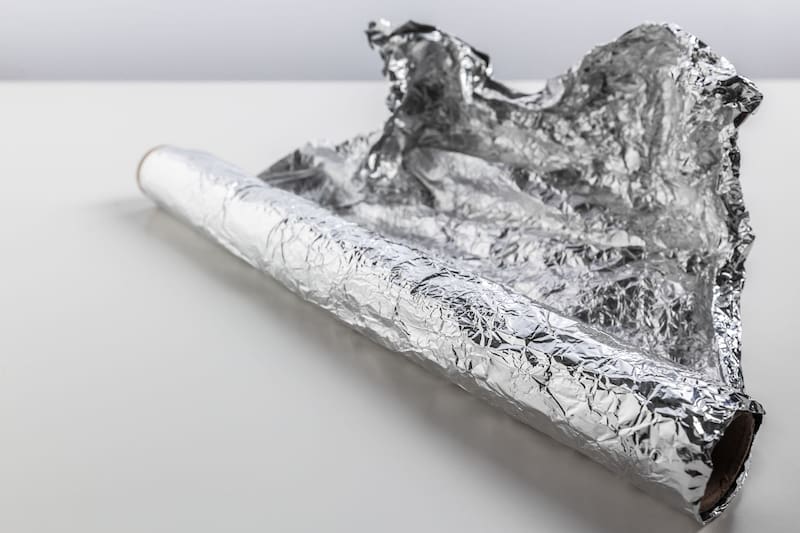
In other words, there is no functional difference between the two sides: both protect and preserve food in the same way. However, it depends on what aluminum foil is used for for one side or the other to offer greater benefits:
- To reflect heat, such as behind a radiator, it is usually recommended to place the shiny side toward the heat source, because it reflects more thermal radiation. But the effect also depends on how the material is placed and on the air space.
The shiny-side myth
For years it was believed that the shiny side should be placed inward when wrapping food to preserve heat better, while the matte side should face outward. However, experts clarify that this does not affect the effectiveness of the foil in preserving or cooking at all.
Even so, if the goal is to reflect heat during oven cooking, it may be useful to place the shiny side inward, since it reflects a little more thermal radiation and helps achieve more even cooking.