
En esta noticia
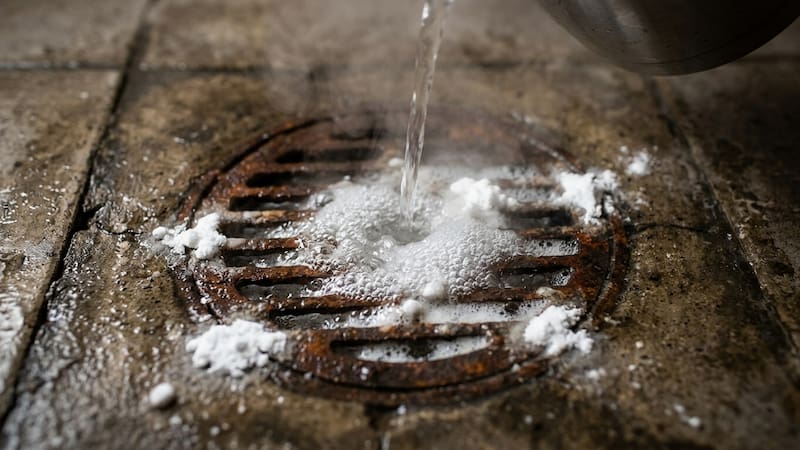
Mixing baking soda, white vinegar and boiling water is a homemade alternative to help keep drains clean and prevent residue from building up and making drainage difficult.
This cleaning takes on special importance before stormy days, when heavy rainfall can test the water drainage capacity.
The preparation is part of a Metro cleaning guide, the regional agency for the Portland, Oregon, United States area.
How to prepare the baking soda, white vinegar and boiling water mixture
The Metro healthy cleaning guide recommends using three ingredients to carry out regular drain cleaning. The recipe includes:
- 1/4 cup baking soda.
- 1 cup distilled white vinegar.
- 6 cups boiling water.
How to use the mixture to unclog drains
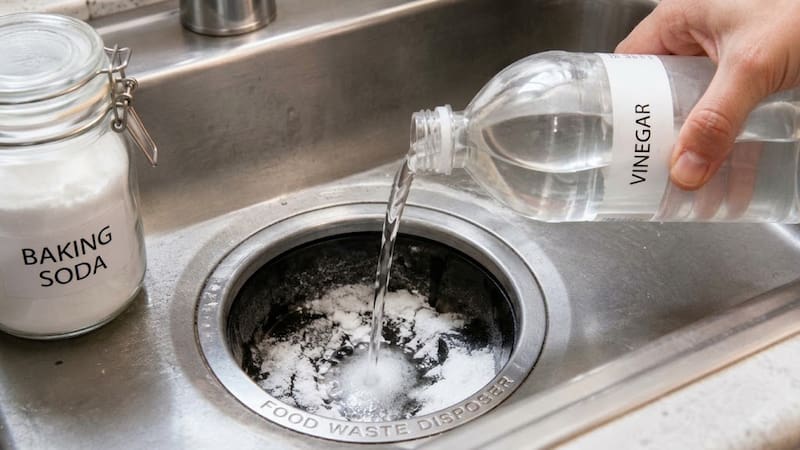
The procedure consists of first pouring the baking soda directly down the drain and then adding the white vinegar. If possible, cover the opening and let the mixture sit for 10 minutes.
Next, boil the six cups of water and pour them down the drain to help flush away the residue. If the drain continues to run slowly, the procedure can be repeated, although major blockages may require a manual drain snake or professional intervention.
It is important to check that the pipes can withstand high-temperature water, since boiling water can damage some plastic installations.
Why it works chemically and how it helps prevent flooding on stormy days
When they come into contact, baking soda and white vinegar produce an acid-base reaction that releases carbon dioxide and creates bubbles. This effervescence can help move some residue, while the hot water helps wash away soap and dirt.
However, the reaction also neutralizes some of the vinegar’s acidity, so the mixture is not a universal drain cleaner and does not guarantee removal of severe blockages.
The Metro healthy cleaning guide recommends carrying out this maintenance once a month to help prevent clogs and bad odors.
Periodic cleaning of drains is also essential before heavy rain events, since the accumulation of residue, soap scum, sediment and other materials can hinder the flow of water through the pipes and reduce drainage capacity.
To reduce that risk, it is also necessary to remove leaves, dirt and trash from grates, clean the gutters and check that storm drains are clear.
The homemade mixture is intended for maintaining household drains and does not replace those tasks: flooding can also occur when the amount of rain exceeds the storm drainage system’s capacity.