
En esta noticia
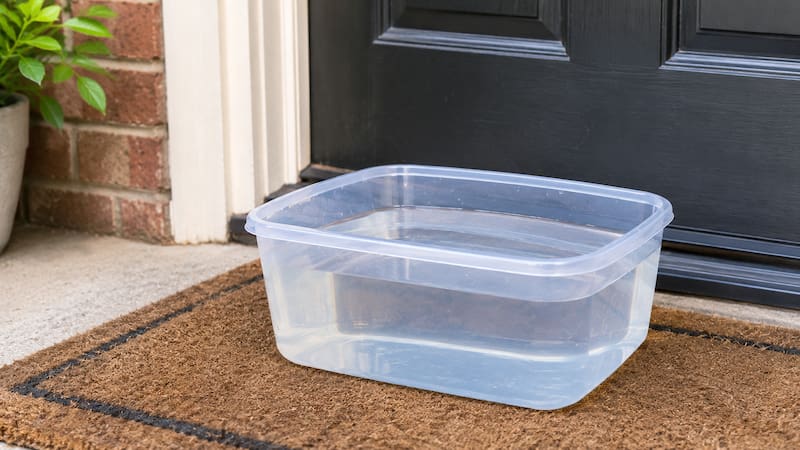
Leaving a plastic container of water by the door of a home may seem harmless, but it poses a risk if it becomes a mosquito breeding ground. In the United States, health and environmental authorities warn that standing water in everyday objects can allow these insects to lay their eggs and complete part of their life cycle.
Although some people use these containers as part of household practices or to keep water available for animals, it is important to avoid letting the water sit without being changed. Under those conditions, it can become a mosquito breeding ground, since females use water-filled spaces to lay their eggs.
The U.S. Environmental Protection Agency (EPA) explains that water is essential at several stages in these insects’ development. For that reason, it recommends paying attention to small objects that can collect water, even when they seem harmless.
Why a container of water can become a problem
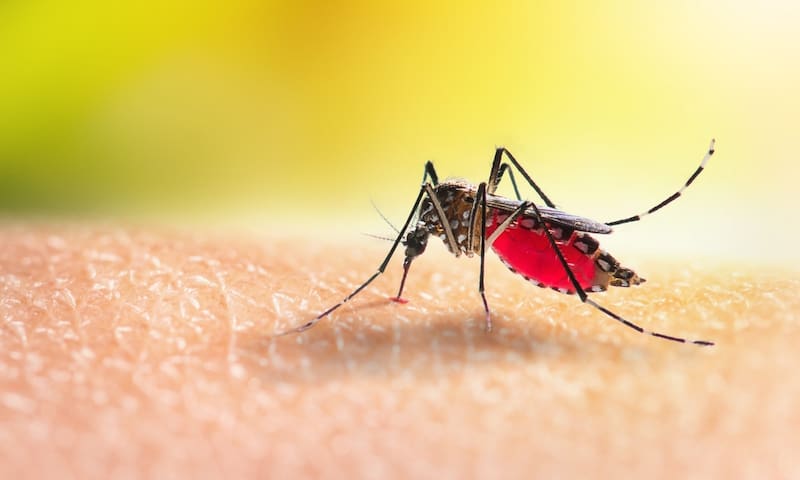
A container of water provides the right environment for mosquitoes to breed. Standing water allows eggs and larvae to develop before adult insects emerge.
The EPA warns: “Remove standing water from rain gutters, discarded tires, buckets, plastic covers, toys and any other container where mosquitoes can breed”.
How often to change the water to avoid mosquitoes
The EPA recommends emptying and replacing the water in containers at least once a week. It is important to check whether the water still looks clean, as well as to prevent eggs and larvae from building up on the walls or bottom of the container.
“Empty and change the water in birdbaths, fountains, children’s pools, rain barrels and plant saucers once a week”, the agency advises.
What to do with the water container by the door
The best option is to assess what it is being used for and make sure it does not become a reservoir of standing water. Other preventive measures include:
- Empty it if it does not serve a specific purpose: There is no need to keep water sitting in containers that are not being used.
- Clean it regularly: Removing debris and scrubbing the surfaces helps get rid of possible eggs and larvae.
- Replace the water weekly: If the container has a necessary purpose, it should be kept clean and filled with fresh water.
- Cover storage containers: If water needs to be stored outdoors, use a tight-fitting lid or proper mesh that prevents mosquitoes from getting in.