En esta noticia
Jam and jelly may look similar when sitting next to each other on a grocery store shelf, but they are not exactly the same. The two fruit spreads differ in how they are made, their texture, their sweetness and the amount of fruit they contain.
Understanding the difference can make it easier to choose the right one for breakfast, baking, desserts or even savory recipes. While both can be spread on toast or used in sandwiches, their different textures and flavors can make one a better choice than the other depending on the dish.

What is jam?
Jam is made with crushed or chopped fruit that is cooked with sugar until it thickens. Some recipes also contain pectin, a natural substance that helps give the spread its characteristic consistency.
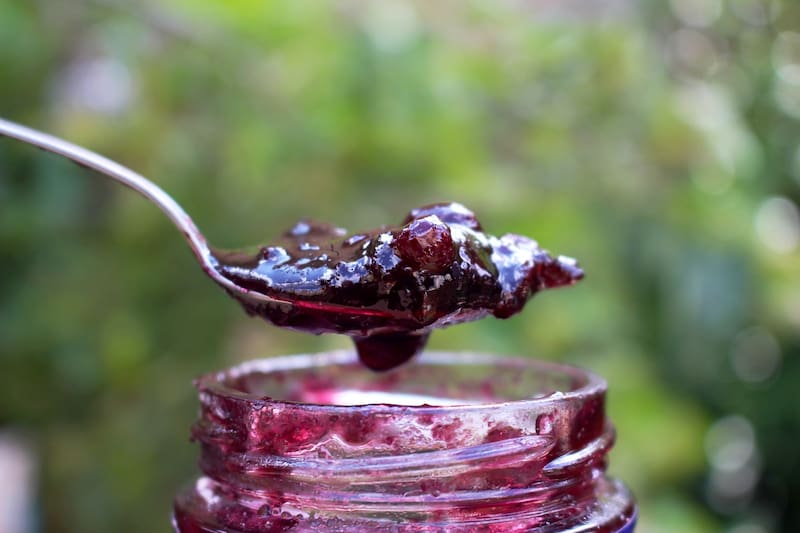
Because jam is made with the fruit itself, it generally has a thick, spreadable texture and may contain small pieces of fruit. This gives it a more rustic appearance and a stronger fruit flavor.
Jam has also historically been used as a way to preserve fruit. Before refrigeration was widely available, cooking fruit with sugar or honey helped extend its shelf life.
The result is a spread that retains much of the character of the original fruit, including its flavor, color and texture.
What is jelly?
Jelly is made from fruit juice rather than crushed or chopped whole fruit. The juice is combined with sugar and a gelling agent, such as pectin, to create its characteristic consistency.
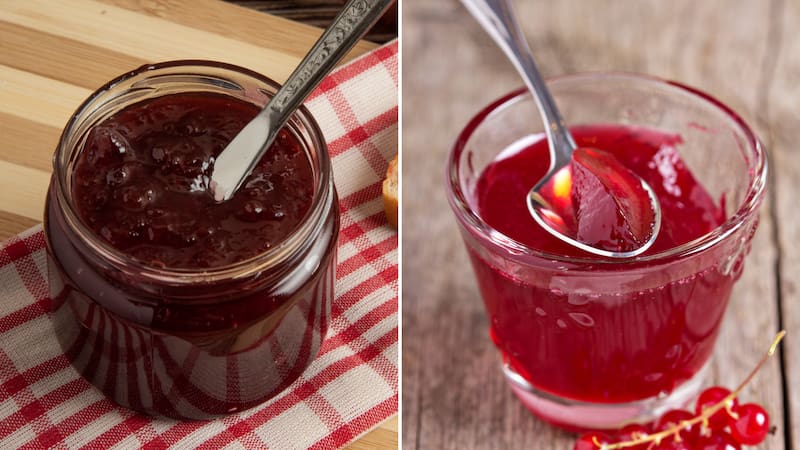
Unlike jam, jelly is generally smooth, firm and free of pieces of fruit or seeds. It also tends to have a more translucent appearance, allowing its color to show through.
Because it is made from juice, jelly typically has a cleaner and more uniform texture. It can also taste sweeter and less intensely fruity than jam.
What is the difference between jam and jelly?
The biggest distinction comes down to the part of the fruit used and the resulting texture.
Jam contains crushed or chopped fruit, while jelly is made from fruit juice. That difference affects almost everything else about the two spreads.
Jam tends to be thicker and may contain small pieces of fruit, while jelly is smooth and firm. Jam generally delivers a more intense fruit flavor, whereas jelly tends to be sweeter and milder.
Their appearances are also different. Jam usually resembles the fruit from which it was made, while jelly has a glossy, translucent appearance.
In simple terms, the main differences are:
- Texture: Jam is thick and may contain pieces of fruit, while jelly is smooth and firm.
- Fruit content: Jam is made with crushed or chopped fruit, while jelly is made from fruit juice.
- Flavor: Jam generally has a stronger fruit flavor, while jelly tends to be sweeter and milder.
- Appearance: Jam is usually opaque and fruit-like, while jelly is glossy and translucent.
Can jam and jelly be used interchangeably?
In many everyday situations, jam and jelly can be substituted for one another.
For example, either one can work on toast, muffins or a cold sandwich. The choice largely depends on whether you prefer the more intense fruit flavor and thicker texture of jam or the smoother and sweeter consistency of jelly.
The difference becomes more important in recipes where texture plays a major role.
When making baked goods, sauces, marinades or dessert glazes, choosing between jam and jelly can affect the final result. Jam can add pieces of fruit and a more concentrated fruit flavor, while jelly provides a smoother finish.
What is jam best used for?
Because of its thicker consistency and fruit content, jam works especially well as a spread or filling.
It can be added to toast, biscuits, yogurt or oatmeal. It can also complement a cheese board or become part of baked desserts such as tarts, cookies and dessert bars.
Jam can also be incorporated into salad dressings, sauces and even cocktails when a stronger fruit flavor is desired.
Its texture makes it particularly useful when you want the fruit component to remain noticeable rather than simply adding sweetness.
What is jelly best used for?
Jelly is particularly useful when a smooth texture is important.
It can be spread on bread or used in sandwiches, but its consistency also makes it useful for dessert glazes, marinades and sauces.
Because it does not contain pieces of fruit or seeds, jelly can create a more uniform coating or finish in recipes.
Its sweeter, smoother profile can also work well when the goal is to add fruit flavor without changing the texture of a dish.
What about preserves?
There is another fruit spread that is often confused with jam and jelly: preserves.
Preserves are similar to jam, but they contain larger pieces of whole fruit suspended in the mixture. As a result, they generally have a chunkier texture and a pronounced fruit flavor.
They can be spooned over pancakes, waffles and French toast, added to yogurt or oatmeal, spread on sandwiches or crackers, and incorporated into desserts.
Which one should you choose?
There is no single winner between jam and jelly. The better option depends on what you are preparing and the texture you prefer.
If you want a thicker spread with a stronger fruit flavor and small pieces of fruit, jam is usually the better choice. If you prefer something smooth, firm and sweeter, jelly may be the better option.
For a simple breakfast such as toast or a sandwich, either one can work. For baking, glazing or making sauces, however, the differences in texture and sweetness can make one more suitable than the other.
Ultimately, both are versatile fruit spreads, but understanding how they are made can help you choose the right one for each recipe.