En esta noticia
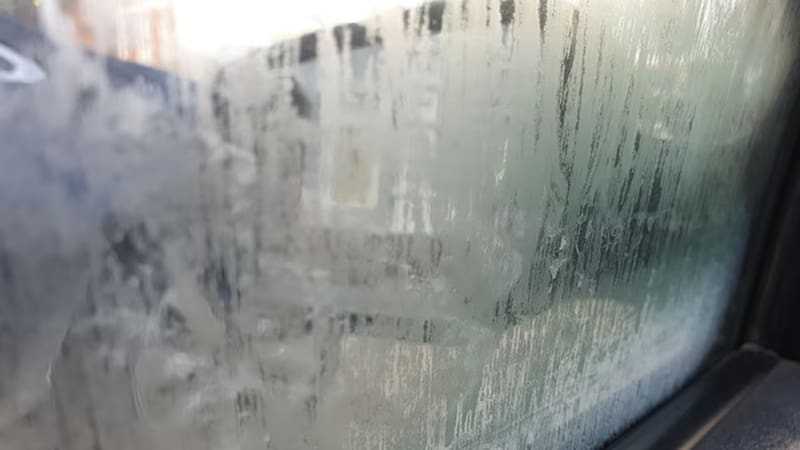
Waking up to find foggy windows is a common problem, especially on cold and humid mornings. Although it is often simply a case of condensation, persistent moisture on the glass can eventually cause problems inside the home.
According to some experts, condensation occurs when moist air comes into contact with a cold surface, causing water vapor to turn into tiny droplets. This can happen both outside and inside windows, although the causes and solutions are different.

Why do windows fog up on the outside?
During the night, outdoor surfaces cool down. If the air conditioner runs throughout the night, the glass can become even colder.
When humid air comes into contact with the cold glass, some of its water vapor condenses, creating moisture on the window. This is the same process that causes dew to form on grass, cars and outdoor furniture.
In most cases, exterior condensation is not a serious concern because sunlight and warmer air usually cause the moisture to evaporate. However, if it happens every morning, water can collect around the frame and contribute to mold or wood deterioration.
Several simple measures can help reduce the problem:
- Raise the thermostat slightly at night to prevent the home from becoming too cold.
- Install weatherstripping to prevent cold air from entering through drafty windows.
- Consider more energy-efficient windows, which can reduce temperature differences between the inside and outside.
Even highly efficient windows can develop exterior condensation under certain weather conditions.
What does it mean if the moisture is between the glass panes?
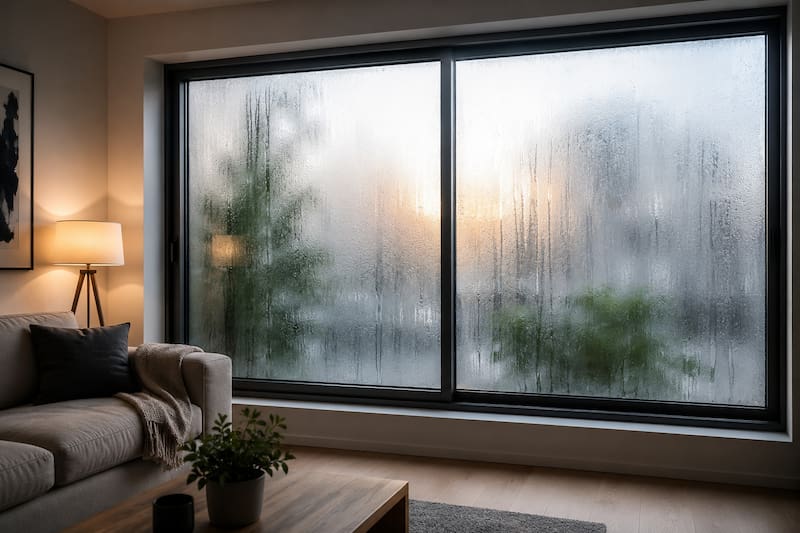
A different problem occurs when fogging appears between the panes of a double-pane window.
These windows have seals designed to keep insulating gas between the panes. Over time, those seals can crack or fail, allowing moisture to enter and reducing the window’s insulating efficiency.
One simple way to check is to run a finger across the glass from the outside. If the moisture is actually between the panes, it will not be possible to wipe it away from either surface.
When a seal fails, the glass panel or entire window may need to be replaced. If the window is relatively new, homeowners should also check whether it is still covered by the manufacturer’s warranty.
What to do when windows fog up from the inside
When condensation appears on the inside of the glass, the problem is often related to high indoor humidity, poor window insulation or a combination of both.
It is common for windows to fog up in the bathroom after a shower, in the kitchen while cooking or in the laundry room when a dryer is not properly vented.
To reduce indoor moisture, one of the simplest solutions is to use an exhaust fan to remove humid air. A dehumidifier can also help, particularly in rooms where humidity remains high.
If windows also have air leaks, homeowners can seal gaps using caulk, weatherstripping and insulation. In homes with old single-pane windows, replacing them with more efficient models can also help reduce condensation.
Persistent moisture can cause damage
Although an occasionally foggy window does not necessarily indicate a serious problem, persistent condensation should not be ignored.
Excess moisture can encourage mold growth, damage paint and drywall and eventually deteriorate wooden window frames.
For that reason, instead of simply wiping the glass every morning, it is worth identifying where the moisture is forming and what is causing it. If it appears outside, it may simply be the result of weather conditions. If it is between the panes, there could be a sealing problem. If it appears inside the home, controlling humidity and improving ventilation may be the key to preventing it from returning.