En esta noticia
Many gardeners are always looking for simple and affordable ways to protect their plants from unwanted visitors. While there are countless products available in stores, a common spicy ingredient found in many kitchen pantries is gaining attention as a natural option for outdoor spaces.
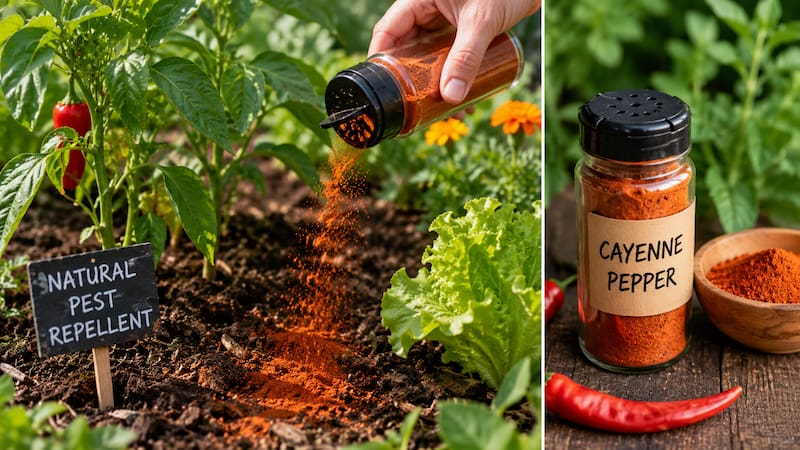
Cayenne pepper is increasingly being used in yards and gardens because of its strong properties. Gardening experts say it can help discourage certain animals from entering garden beds and damaging plants, making it a popular choice among homeowners seeking natural solutions.
Why gardeners are sprinkling cayenne pepper around their yards
Cayenne pepper contains capsaicin, the compound responsible for its spicy flavor. This substance creates an unpleasant sensation for many mammals, which is why gardeners often use it as a deterrent around vulnerable plants.
When sprinkled in strategic areas, cayenne pepper may help keep animals such as rabbits, squirrels, and deer away from flower beds, vegetable gardens, and newly planted areas. Its strong scent and taste can encourage these animals to look elsewhere for food.

What benefits can cayenne pepper provide in the garden
One of the main reasons gardeners choose cayenne pepper is that it offers a natural alternative to some commercial pest-control products. It is inexpensive, easy to find, and simple to apply around outdoor spaces.
Among the animals gardeners commonly try to deter with cayenne pepper are:
- Rabbits.
- Squirrels.
- Deer.
- Some small rodents.
- Other plant-eating mammals.
Experts note that the ingredient is generally less effective against birds because they are not affected by capsaicin in the same way as mammals are.
How to use cayenne pepper in your yard
Gardeners can sprinkle a small amount of cayenne pepper around the base of plants, along garden borders, or in areas where animal activity is frequently noticed. Some homeowners also use homemade sprays that combine cayenne pepper with water for broader coverage.
Because rain, wind, and moisture can reduce its effectiveness, regular reapplication is often necessary. Garden experts recommend checking treated areas after storms and refreshing the application when needed to maintain protection throughout the growing season.