En esta noticia
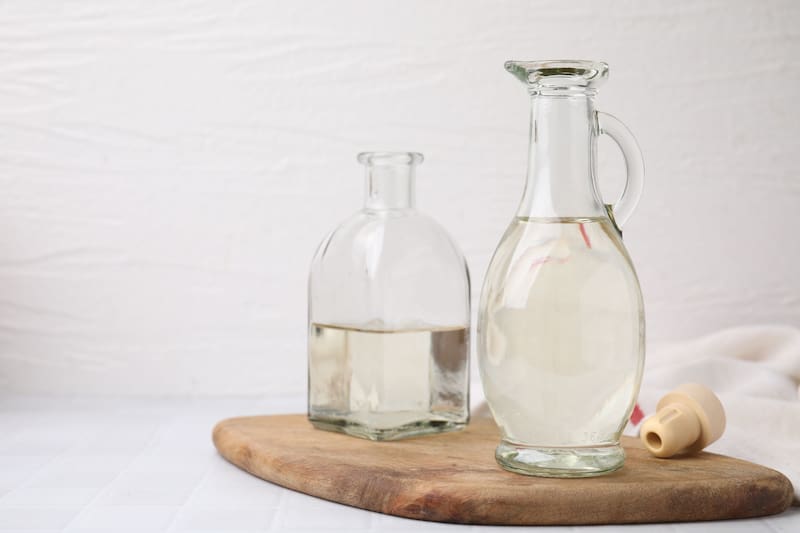
White vinegar has gone beyond its role as a simple cooking ingredient and is now one of the most sought-after resources when it comes to home cleaning tricks. Its affordable cost, versatility, and disinfecting effectiveness make it a preferred natural alternative compared with industrial products.
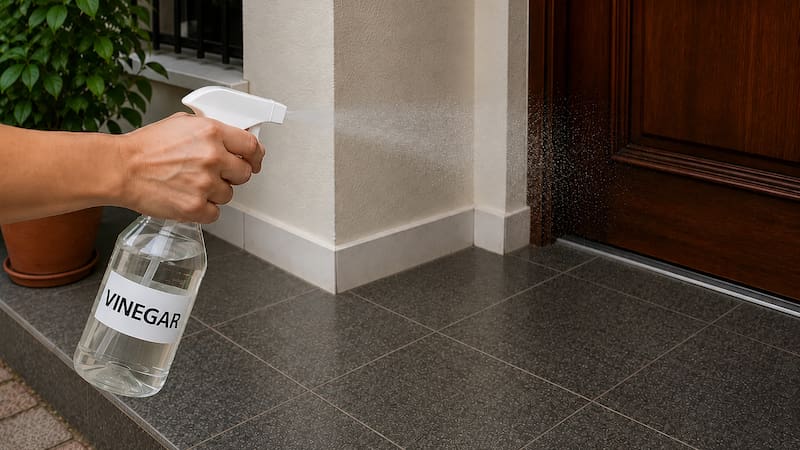
In that vein, in recent months, a simple habit has become popular for taking advantage of its benefits: spraying vinegar at the entrance and in the corners of the home.
Spraying vinegar at the home entrance: what it is for and why it is recommended
One of the uses that draws the most interest is its role as a natural insect repellent. The strong smell of acetic acid acts as an olfactory barrier for various household pests.
Ants, spiders, and even cockroaches usually avoid areas where the smell lingers. For this reason, applying vinegar diluted in strategic places can be effective in reducing their presence without the need to use harmful chemicals.
It also provides other specific benefits:
This set of characteristics explains why vinegar for cleaning the house has gained popularity on social platforms and search engines.
Reasons to spray vinegar specifically at the home entrance
The entrance is one of the dirtiest areas in the entire house: dust from the street, moisture, organic waste, and bacteria carried in on shoes. Applying a diluted vinegar solution can be effective as a preventive cleaning measure.
The recommended mixture is the following, advised at least once a week:
Vinegar and home energies: the Feng Shui perspective
Beyond hygiene, there is also a symbolic perspective linked to Feng Shui, an ancient Chinese discipline devoted to harmonizing spaces.
Within this practice, vinegar is used as a purifying element to “eliminate negative energies” in specific spaces.
From this viewpoint, its use is often advocated in:
In this context, the focus is not on disinfection, but on the symbolic intention of the ritual.