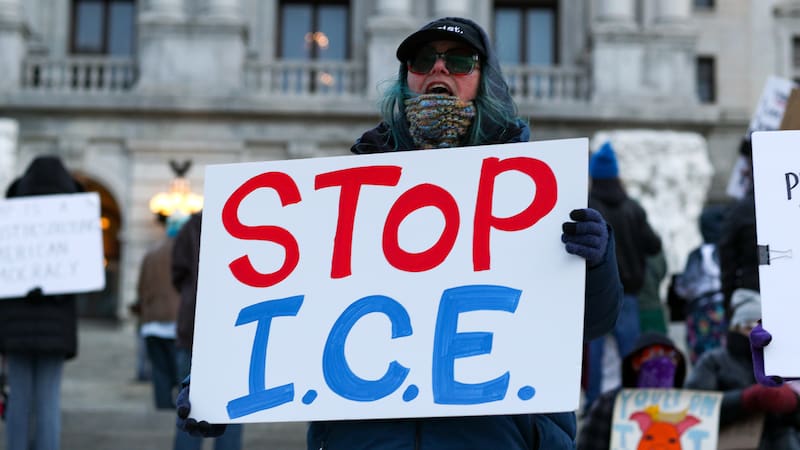

En esta noticia
U.S. Immigration and Customs Enforcement (ICE) recorded more than 10,000 immigration arrests in just five days, reflecting a sharp increase in enforcement activity across the United States. The figures come as the Trump administration continues expanding its immigration strategy and increasing pressure on federal officers to make more arrests.
The latest numbers highlight a significant rise in immigration enforcement compared with the pace seen earlier this year. The increase is part of the administration’s broader effort to identify, detain and remove people who are in the country without legal authorization.

ICE surpasses 10,000 immigration arrests in five days
According to a report by The New York Times, ICE officers made more than 10,000 immigration arrests over five days as the agency intensified enforcement operations nationwide. The newspaper reported that the higher arrest numbers follow internal efforts to significantly increase daily immigration arrests.
Federal officials would have encouraged ICE to expand enforcement operations in multiple locations, including traffic stops, routine immigration checks, and targeted field operations. The strategy is intended to increase the number of people taken into custody while continuing deportation efforts.
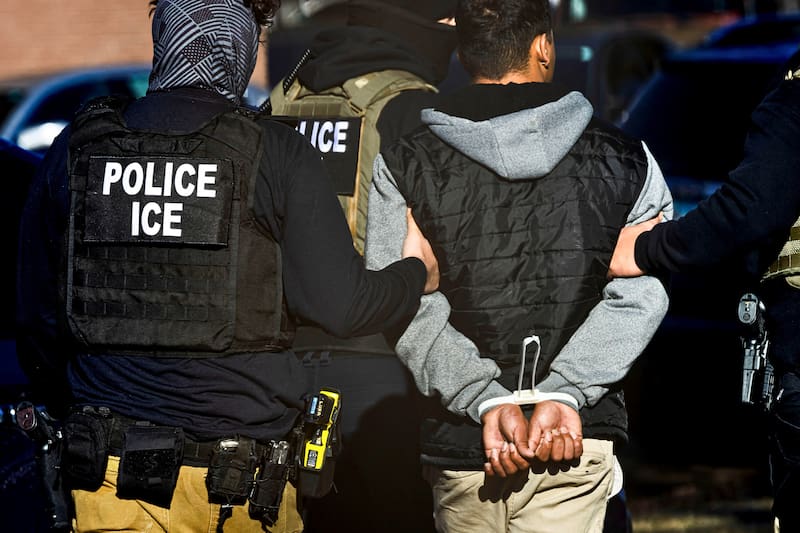
The increase represents one of the fastest periods of immigration arrests since the Trump administration began expanding its enforcement policies, according to the newspaper’s reporting.

Why ICE immigration arrests have increased
The administration has made immigration enforcement one of its top priorities, directing federal agencies to accelerate arrests and deportations. Officials have argued that the expanded operations are aimed at strengthening immigration law enforcement and increasing public safety.
Although ICE has increased the number of arrests, each case continues to follow the federal immigration process. Individuals taken into custody may remain in detention while their immigration proceedings continue or until they are removed from the United States, depending on the circumstances of each case.