
En esta noticia
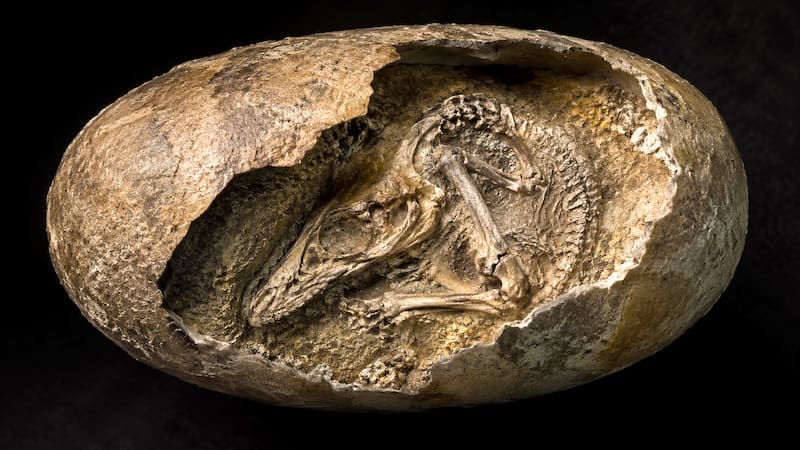
A surprising find in southern China could change what is known about the evolution of modern birds and their links to dinosaurs: they discovered a perfectly preserved dinosaur embryo in an egg dating to between 72 and 66 million years old.
The fossil was named “Baby Yingliang” and corresponds to a toothless theropod dinosaur called an oviraptorosaur. According to the researchers, this specimen is one of the most complete ever found.
History: the dinosaur was in a position never seen before
The specimen was discovered in late Cretaceous rocks in Ganzhou, southern China. According to the study published in the scientific journal iScience, the embryo shows a posture extremely similar to the one present-day embryos adopt before birth.
The description by the research team, led by scientists from the University of Birmingham and China University of Geosciences in Beijing, indicates that the dinosaur’s head was positioned beneath the body with the legs on either side and the back curved toward the wider end of the egg, making this the first time the position has been observed in dinosaurs.
Why this discovery is important for science
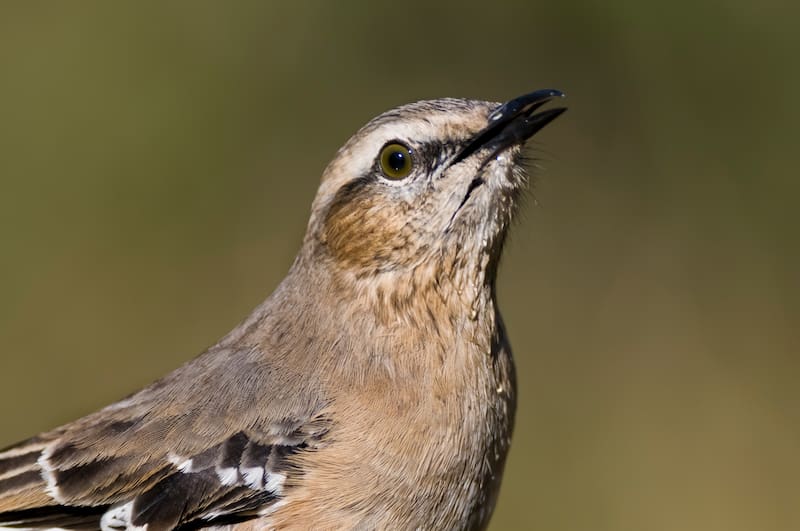
In modern birds, this posture is linked to a behavior known as “tucking,” a movement before hatching that helps the animal position itself correctly to emerge from the egg.
Experts explained that this behavior is controlled by the central nervous system and is essential for a successful birth. Embryos that fail to adopt this posture are more likely to die before hatching.
Specialists concluded that this behavior, which until this discovery was believed to be exclusive to birds, may have originated in non-avian theropod dinosaurs.