
En esta noticia
Plug-in solar systems are the new sustainable technology that promises to generate electricity. This technology allows families to generate some of their own power without having to install a traditional solar panel on the roof.
There are more than five States that have already legalized balcony solar and similar legislation. These are Utah, the first to implement this technology, Colorado, Connecticut, Maine, Maryland, New Hampshire, New Jersey, Vermont, Virginia, and now, California.

How do plug-in solar panels work?
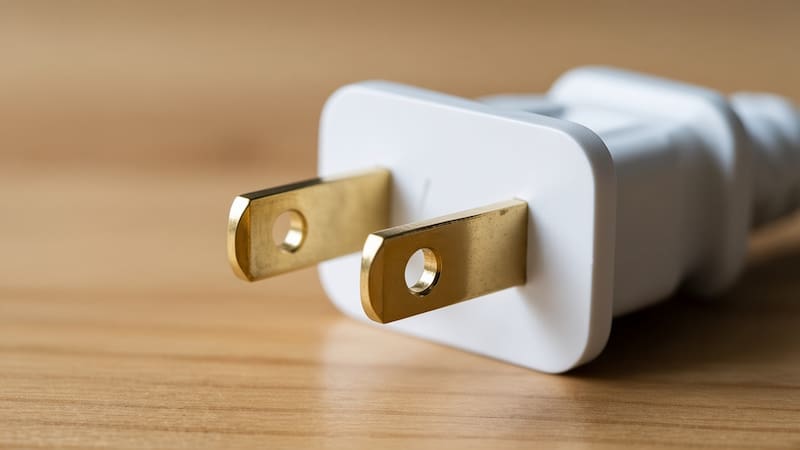
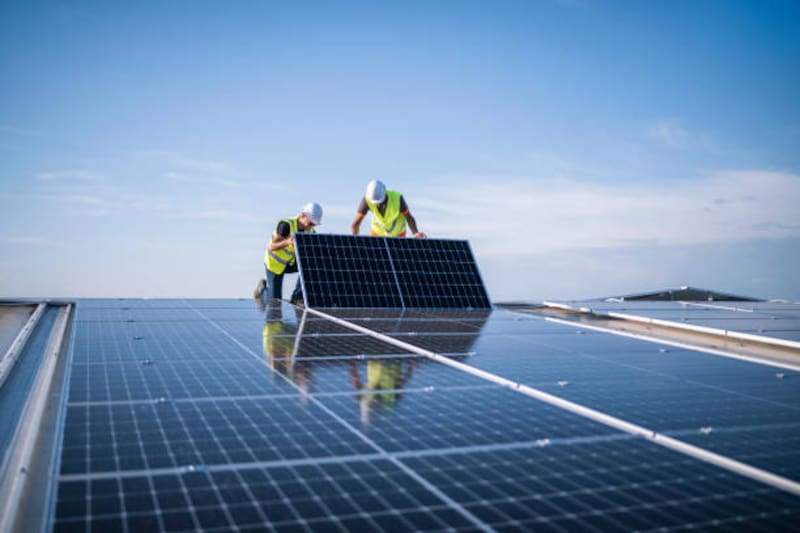
These systems use small solar panels to generate electricity from sunlight and connect to a household’s electrical system through a compatible outlet. They can be installed on balconies, patios, or other suitable spaces, depending on local regulations.
As National Geographic explains, most systems are designed to supplement the home’s electricity supply rather than replace it entirely.
Which states allow plug-in solar panels?
As of October 2026, 10 states had approved laws addressing plug-in solar systems: Utah, Colorado, Connecticut, Maine, Maryland, New Hampshire, New Jersey, Vermont, Virginia, and California.
California’s Senate Bill 868, signed on September 30, 2026, establishes a framework for qualifying portable solar devices. The law is scheduled to take effect on January 1, 2027. Requirements vary by state, so residents should check local rules before installing a system.
Can plug-in solar panels lower electricity bills?
These systems can reduce the amount of electricity households purchase from the grid by generating power during daylight hours. However, potential savings depend on sunlight exposure, electricity rates, system capacity, and household consumption.
Plug-in solar panels are not designed to replace a home’s entire electricity supply. Consumers should also verify applicable electrical safety standards and utility requirements before connecting a system.