
En esta noticia
October brings a diverse range of astronomical events that people can enjoy from different parts of the world. Although the pollution problem, which in some cases can interfere with these events, this month promises meteor showers, an orange full moon, and a glimpse of the Milky Way.
If you would like to enjoy one of these events, here are the dates and the precise times to watch them.
Saturn at opposition
- When to see it: Saturn will be in opposition around 8 a.m. ET on October 4, bringing the planet especially close to Earth. The days leading up to the event will also offer good viewing opportunities.
- Where to look: Around 11 p.m., Saturn will appear in the south-southeastern sky. It will continue rising over the following hours, improving visibility.
- What you need: A small backyard telescope or powerful binoculars can help you see Saturn’s rings, which are made primarily of ice and rock.
- About the rings: Saturn’s rings span roughly 170,000 miles and are highly reflective because of their icy composition.

Moon-planet conjunction
- When to see it: The crescent moon and Mars will meet in the predawn sky.
- When to see it: The crescent moon and Mars will appear close together in the predawn sky on October 5.
- Where to look: Look toward the eastern horizon before sunrise. Jupiter will also be visible later in the morning, positioned diagonally below the moon and Mars.
- What else to see: The Beehive Cluster will appear just below the moon. It contains around 1,000 stars and is about 600 light-years from Earth.
- How to see it: Under dark skies, the cluster may appear as a faint smudge to the naked eye. Binoculars or a small telescope can provide a clearer view.
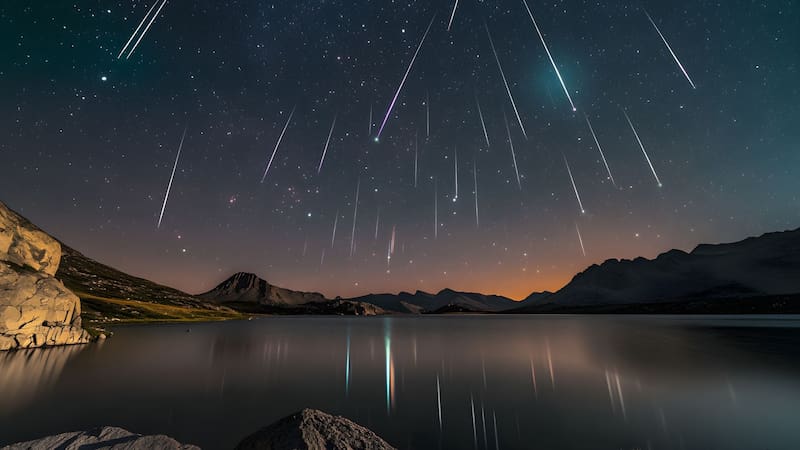
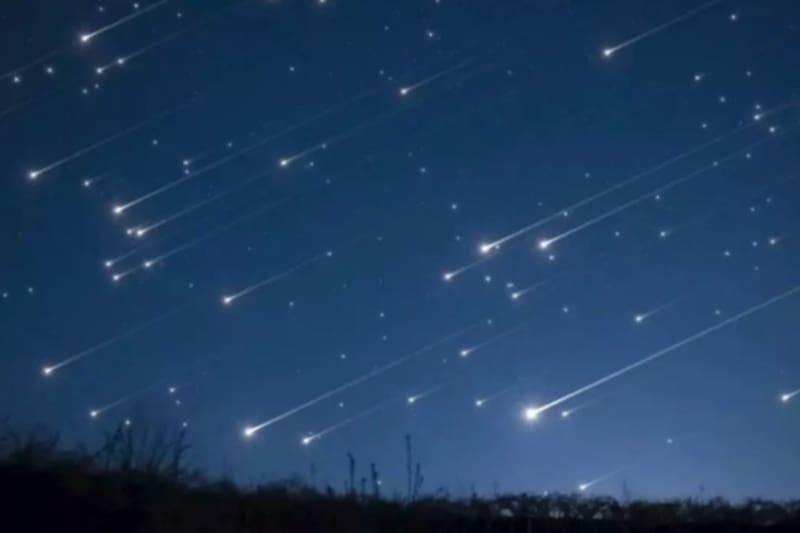
Draconid meteor shower event
- When to see it: The Draconids will reach their peak overnight from October 8 to 9, with the best viewing conditions about one to two hours after sunset.
- What to expect: The shower can produce around 10 meteors per hour under dark skies away from light pollution.
- Why this year may be easier to watch: The peak will coincide with a thin, waning crescent moon, meaning less moonlight should make fainter meteors easier to spot.
- What else to see: Saturn will also be visible in the southern sky that night.
October’s full moon
- When to see it: The Hunter’s Moon will reach its peak just after midnight on October 26. For the best view, look for it around moonrise or moonset.
- Where to look: The full moon will rise above the eastern horizon around sunset and set in the west around sunrise.
- What to expect: The moon can appear larger than usual near the horizon and may take on an orange hue.
- Why it’s called the Hunter’s Moon: The name is linked to seasonal preparations for winter food.