
En esta noticia
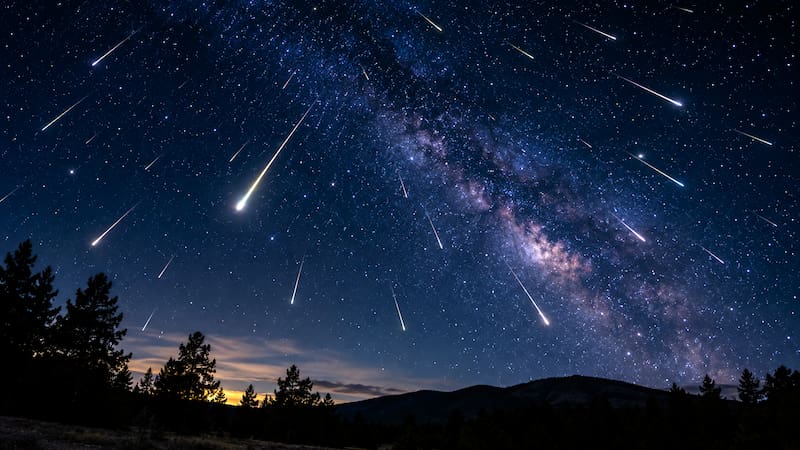
As it does every month, NASA shared its November astronomy calendar on its official website, where three meteor showers can be observed, and one of them will produce up to 15 per hour.
While this astronomical event is always one of the most eye-catching, skywatchers will also be able to see Mars and Jupiter closer than usual and, days later, enjoy a supermoon on Nov. 24.
In addition, this month will be a very special one for the aerospace industry, which could reach a milestone with one of its most remembered missions, Voyager 1, which was launched in 1977.
When to look up and how it recommends doing it
According to information released by the space agency, the Leonids will peak on Nov. 17 and 18 before dawn and after the Moon sets, when a maximum of 15 meteors per hour could be seen in ideal conditions.
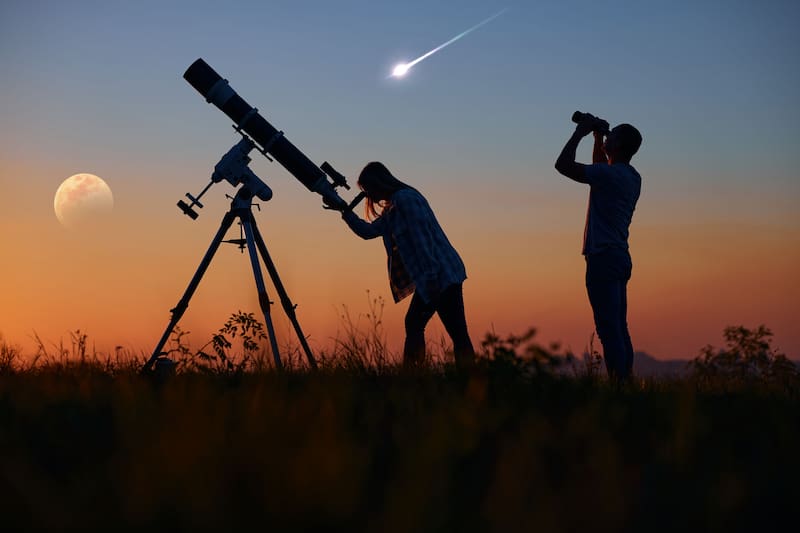
“To improve your viewing experience, you’ll want to find a dark place, let your eyes adjust for about 30 minutes, and take in as much of the sky as you can,” NASA recommends.
Other meteor showers in November
The Southern Taurids peak today, Nov. 5, with an average of five meteors per hour in optimal conditions, and fireballs may appear at times.
The Northern Taurids will peak on Nov. 12, producing about five meteors per hour and an occasional fireball.
Mars and Jupiter Together Without a Telescope
In addition, on Nov. 15 and 16, Mars and Jupiter may appear closer than usual in the sky if viewed before dawn.
“Both planets are easy to see with the naked eye. They are still far apart in space, but from Earth they appear almost side by side,” it says.
NASA Makes History in November: What Will Happen to Voyager 1
On the 17th of this month, the Voyager 1 spacecraft is expected to set a record for humanity by becoming the first human-made object to reach a distance of one light-day from Earth.
“That means a signal traveling at the speed of light takes 24 hours to reach the spacecraft, and another 24 hours for us to reply!” NASA says.