
En esta noticia
The Internal Revenue Service (IRS) or Internal Revenue Service of the United States details on its official website what measures it can take when starting a collection process if a taxpayer-debtor does not respond in a timely manner to official calls and notifications.
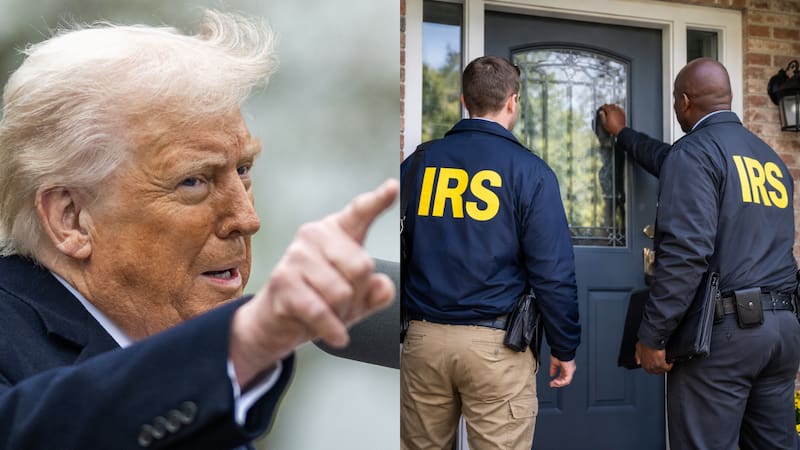
In these cases, the so-called revenue officers -civil employees in charge of intervening in tax collection- may make in-person visits in order to resolve outstanding debts and discuss the payment options available according to each case.

IRS will visit house by house those who have not responded to this call
Authorities indicate that these visits do not happen automatically, but are part of a collection process carried out after a taxpayer repeatedly ignores the agency’s communications.

Before attending, various letters or notices are sent, including Letter 725-B, and an attempt is made to establish telephone communication to arrange the meeting. If the proper response is not received, the visit to the home or business may be carried out anyway.
What happens during these official visits
During the meeting, the agents will inform the taxpayer about their rights, obligations, and consequences of not paying the tax debt.

In these visits, the officer offers the option of collecting the tax owed on the spot to finally resolve the outstanding balance so that more extreme measures are not applied later.
In that context, the agency emphasizes the importance of always staying in contact and being willing to work on a joint plan to pay the outstanding amount in the most convenient way possible.