
En esta noticia
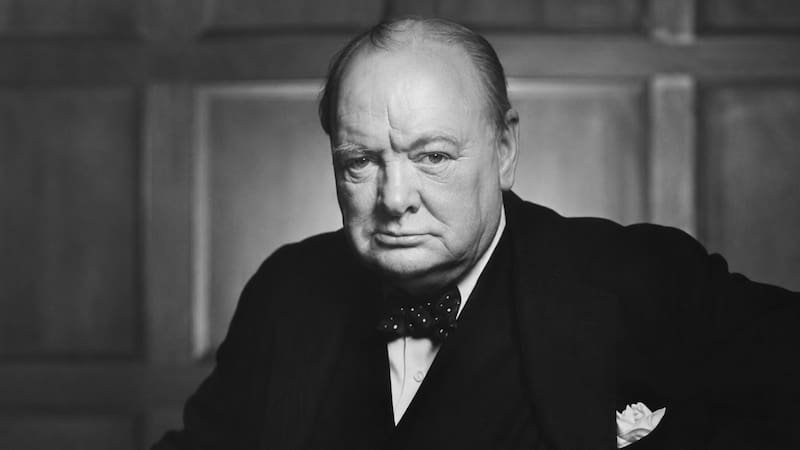
Winston S. Churchill was one of the most influential political figures of the 20th century. Prime minister of the United Kingdom for much of World War II, his career was marked by both major victories and political and military defeats.
Among the many phrases attributed to him is: “Success is going from failure to failure without losing enthusiasm”. The expression offers a particular view of success: achieving a goal does not necessarily mean avoiding mistakes, but rather maintaining the determination to continue after each difficulty.
What does the phrase attributed to Winston Churchill mean?
The reflection suggests that failure can be part of the process of reaching a goal. From this perspective, making mistakes or facing adverse outcomes does not necessarily determine the final result.
The key lies in the second part of the phrase: “without losing enthusiasm”. In other words, keeping motivation and the will to continue even when an attempt does not work out as expected.
In this way, success is no longer understood only as a succession of victories and is also linked to consistency, adaptability, and learning from mistakes.
A political life marked by successes and failures
Churchill’s career was far from being a permanent succession of triumphs. Before becoming one of the main British leaders during World War II, he went through major political setbacks.
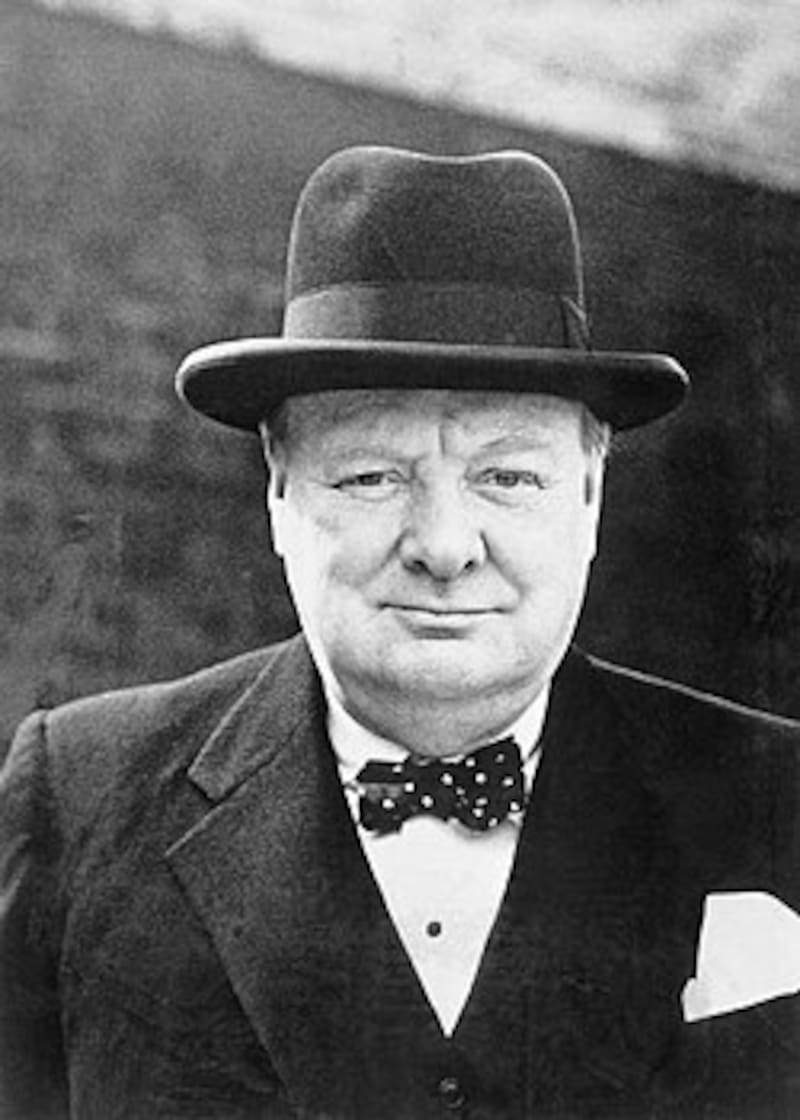
One of the most remembered episodes was the Gallipoli campaign during World War I. Churchill, then First Lord of the Admiralty, was politically linked to the operation, whose failure ended up seriously affecting his position within the government.
However, years later he returned to the center of British politics. In 1940 he became prime minister at one of the most critical moments for the United Kingdom and led the government through much of the war against Nazi Germany.
His career makes it possible to connect the reflection attributed to him with an idea of persistence in the face of setbacks, although the textual authorship of the phrase is not conclusively documented.

Who was Winston S. Churchill?
Winston Leonard Spencer Churchill was born in 1874 and developed an extensive career as a British military officer, politician, writer, and statesman.
Among the main milestones of his career are:
- He was an officer in the British Army and a war correspondent during his youth.
- He entered the British Parliament in 1900.
- He held numerous government posts throughout his career.
- He was prime minister of the United Kingdom from 1940 to 1945 and again from 1951 to 1955.
- He led the country through much of World War II.
- He received the 1953 Nobel Prize in Literature for his historical and biographical work and for his oratory.
- He died in London in 1965, at the age of 90.