En esta noticia
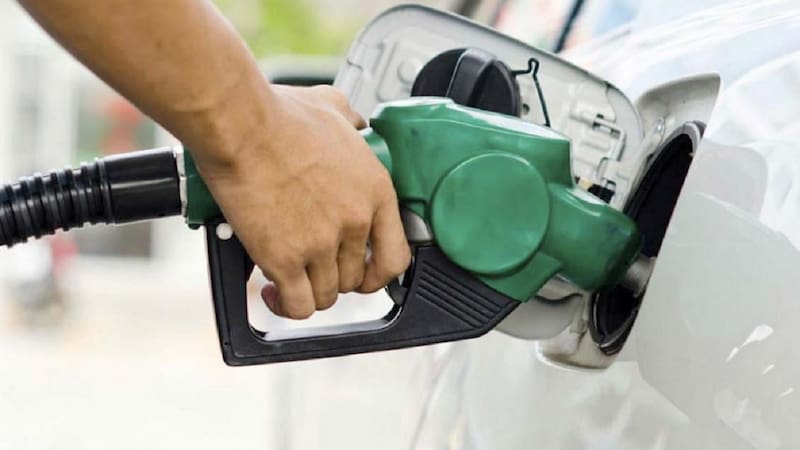
For many drivers, the click of the gas pump nozzle is simply a signal that the tank is full. However, some people continue squeezing the handle afterward to add a little more fuel or to round up the total shown on the pump.
That habit, known as topping off, is not recommended. Once the nozzle automatically clicks off, the better option is to stop pumping and return the nozzle to the pump.

Why does the gas pump stop automatically?
The automatic shutoff system is designed to detect when the fuel has reached the appropriate level inside the vehicle’s filler neck.
Near the tip of the nozzle is a small sensing hole. As gasoline enters the tank, air and fuel vapors are displaced. When the gasoline rises high enough to cover the sensing hole, the pressure inside the nozzle changes and triggers the automatic shutoff.
That familiar click is therefore not simply a timer or an arbitrary signal. It indicates that the system has detected that the tank is sufficiently full.
What happens if you keep pumping?
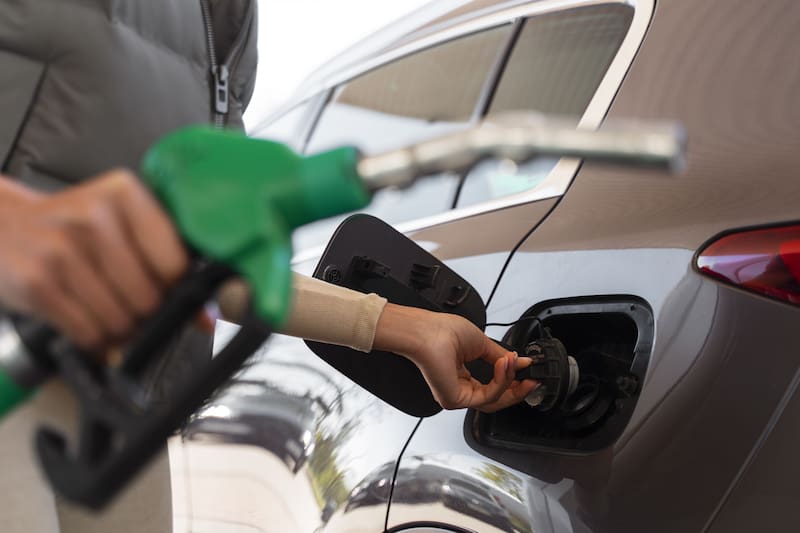
Continuing to add gasoline after the first click can potentially cause problems for the vehicle’s evaporative emissions system.
Modern cars have components designed to capture gasoline vapors instead of allowing them to escape into the atmosphere. One of these components is the charcoal canister, which stores fuel vapors so they can later be burned by the engine.
When a driver continues pumping after the nozzle has shut off, liquid gasoline can enter parts of the system that are designed to handle vapor rather than liquid fuel.
In some circumstances, this can saturate or damage the charcoal canister. A problem with the evaporative emissions system can also cause the check engine light to appear and potentially result in an expensive repair.
Trying to add more fuel can also be wasteful
At first glance, adding a few more cents’ worth of gasoline may seem like a way to get more out of every trip to the station. However, there is little benefit to forcing additional fuel into an already full tank.
Gasoline can expand as temperatures increase, meaning an overfilled tank leaves less room for that expansion. Depending on the vehicle and circumstances, excess fuel can also end up where it should not.
There is also the possibility of spilling gasoline. In that case, the fuel is simply wasted and can create an environmental hazard.
What should you do when you hear the click?
The recommendation is simple: stop pumping when the nozzle clicks for the first time.
There is no need to continue squeezing the handle just because the dollar amount on the pump ends in an uneven number or because there appears to be room for a few additional cents of fuel. Instead, release the handle and return the nozzle to the pump.
Drivers who want to improve their fuel economy can focus on habits that have a more meaningful impact, such as maintaining the correct tire pressure, keeping up with regular vehicle maintenance and driving efficiently.