
En esta noticia
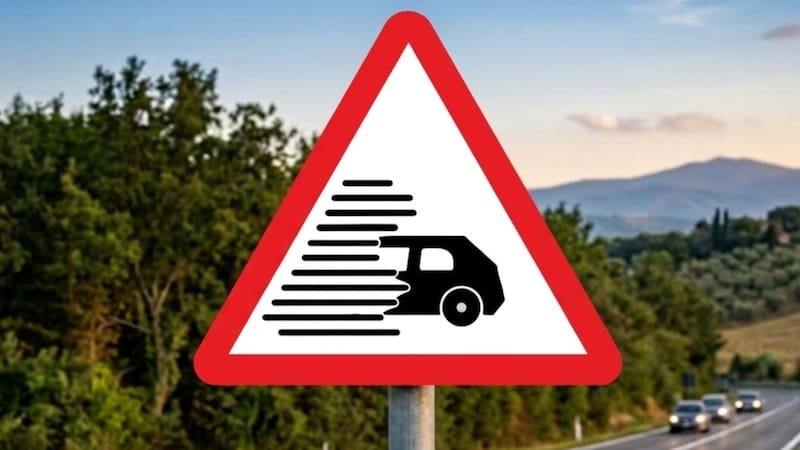
A traffic sign in the shape of a triangle, with a red border, the silhouette of a car in the middle, and several horizontal lines warns drivers about stretches with reduced visibility on the road, generally due to fog.
The sign is part of the signaling system established by the Vienna Convention on Road Signs and Signals, a multilateral United Nations treaty that sets an international standard for traffic signs, traffic lights, and road markings. It is used on different roads in Europe and other countries that adopted that system.

What exactly does this traffic sign represent?
The drawing shows the silhouette of a vehicle partially covered by black horizontal lines, which symbolize a layer that blocks the driver’s view. Each element of the sign has a specific function within the road code.
This sign corresponds to the model A36, an addition to the Vienna Convention within the European Annex that warns of reduced visibility ahead, generally due to fog or severe weather. In some countries, a variant without the car is used, only with the triangle, which keeps the same warning meaning.
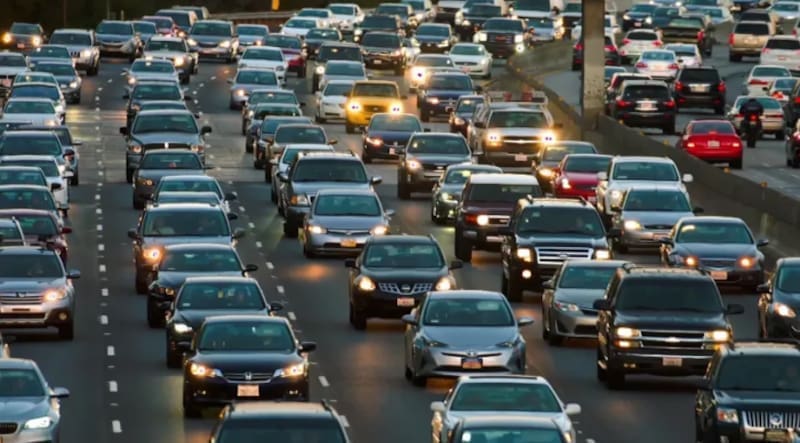
Among the situations that lead to this sign are:
- Fog banks in low-lying areas or near bodies of water
- Smoke from fires or burns near the road
- Heavy rain that creates curtains of water
What should drivers do when they see this sign?
When faced with this sign, the recommendation is to reduce speed to 60 km/h to have a greater margin for reaction when visibility is reduced.
If the sign shows only the triangle, without the car or the horizontal lines, the recommended speed drops to 40 km/h. Ignoring this indication increases the risk of collisions on stretches where conditions can change in seconds.