
En esta noticia
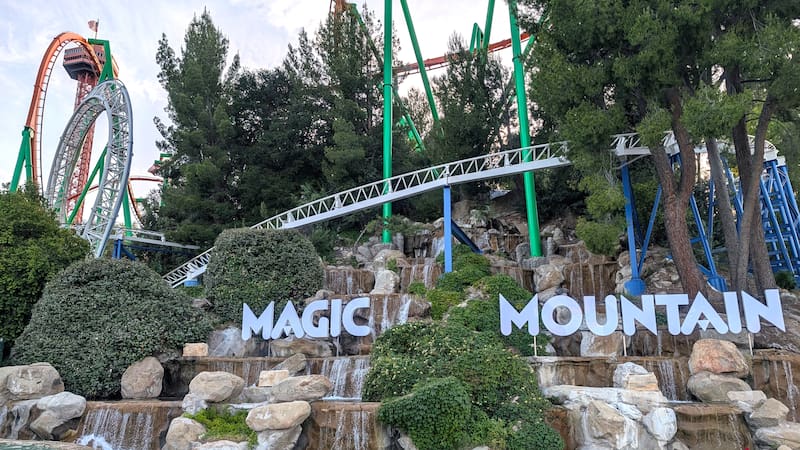
Many families and groups of friends were disappointed after riding the X2 roller coaster at the Six Flags Magic Mountain park in California. They expected to experience all kinds of thrills and feel a high dose of adrenaline.
However, the attraction would have caused unimaginable consequences. Several users reported brain injuries and later sued the park. In addition, the death of a 22-year-old man was recorded.
Was the attraction declared unsafe after the safety tests?
No. According to Six Flags, the X2 attraction was not declared unsafe after the safety tests. On the contrary, it would have passed multiple checks and examinations intended to ensure the well-being and physical safety of users.
Despite this, the park decided to remove it permanently after the complaints of serious injuries and amid the risk that the situation would affect visitors’ confidence.
What type of brain injuries were caused by the attraction, according to several visitors?
According to the complaints, the brain injuries recorded were varied, and some were extremely serious:
- Subdural hematomas: collections of blood between the brain and one of the membranes covering it.
- Brain compression caused by hemorrhages.
- Injuries associated with sudden acceleration and deceleration movements during the ride.
- Cases that required emergency brain surgery, including opening the skull.
- Loss of consciousness, seizures, and even prolonged comas.
Were there deaths from this attraction?
At least one death was recorded, occurring in 2022. The forensic report determined that the cause of death was a blunt traumatic brain injury that occurred in an accident linked to the attraction.
After the tragedy, the family of Christopher Hawley, the 22-year-old who died, filed a wrongful death lawsuit and reached a settlement with the park in August 2026.
How can an attraction result in a death?
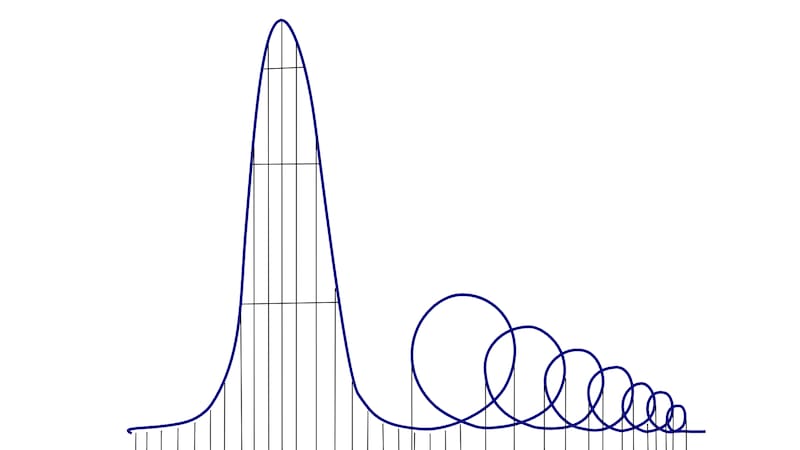
In 2010, Julijonas Urbonas, then a doctoral candidate at the Royal College of Art in London, designed an artistic concept for a steel roller coaster whose purpose was to cause the death of its riders.
The creator of the concept had previously worked at an amusement park and explained that the goal of this roller coaster was to take lives with “elegance and euphoria.”
The ride would begin with a very steep 510-meter ascent to the top, which would take approximately two minutes. Once at the top, the car would stop for a few moments to allow passengers to reconsider their decision to end their lives. If they wished to continue, they would have to press a button.
From there, the car would fall down a 510-meter descent at an approximate speed of 360 km/h before leveling out and heading toward the first of seven inversions. Each one would have a smaller diameter than the previous one to subject passengers to an acceleration of between 8 and 10 G, while the train would lose speed. After a sharp turn to the right, the train would enter a straightaway.
The result would be explained by prolonged cerebral hypoxia, that is, an insufficient supply of oxygen to the brain. With each turn, passengers would experience symptoms such as progressively gray or tunnel vision and fainting. From the first or second inversion onward, cerebral anoxia could occur, that is, an almost total absence of oxygen in the brain, which would ultimately lead to death.