En esta noticia
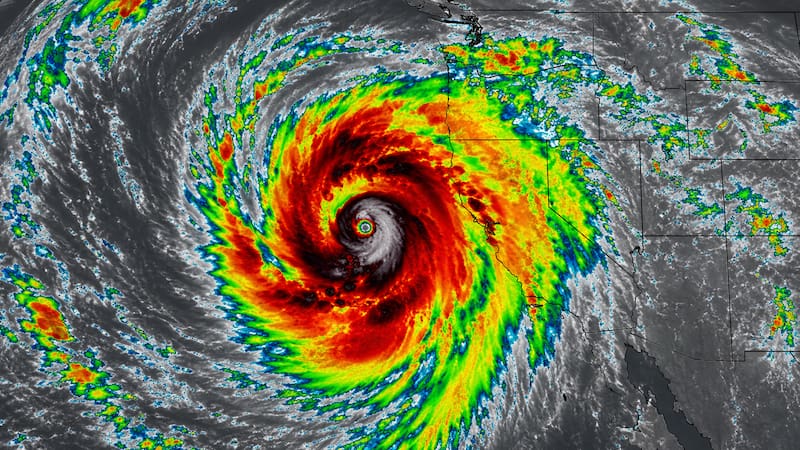
Climate change is intensifying the most feared storms that threaten the East Coast of the United States year after year. A new study warns that devastating winter systems that combine snow, rain, and extreme winds, known as “nor’easters,” are gaining strength and destructive capacity at unprecedented levels.
These storms, which strike from September to April, have already caused historic devastation. Scientists at the University of Pennsylvania warn that their power to destroy and cause damage is growing rapidly, and that an event even stronger than the historic “Storm of the Century” could occur.

Nor’easters threaten: what they are and why this storm will be the most destructive
Nor’easters are weather events that arise from the clash between cold Arctic air and the Atlantic’s warm, humid air masses. Although they could become less frequent because of global warming, the storms that do occur will be much more intense.
The study published in the specialized journal PNAS found that:
- The maximum speed of the wind increased by 6%.
- The intensity of rain and snow grew by 10%.
- The global destructive potential rose by 20%, even in isolated events.
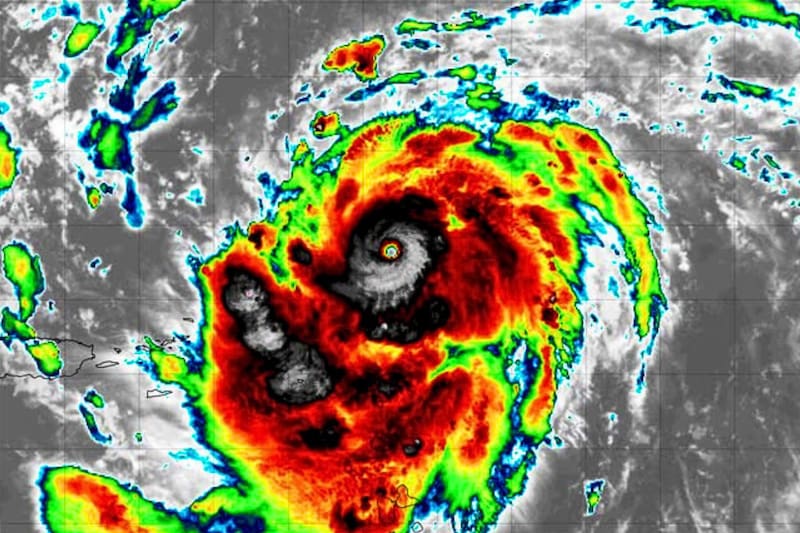
These figures, although they may seem moderate, translate into severe impacts on cities and communities in the northeastern U.S., especially amid infrastructure systems already strained by extreme events.
Attention residents: which areas of the United States are at greatest risk and how to prepare
The most vulnerable cities are those located along the northeast coast. In these urban centers, the risk of flooding and massive service outages grows every year. These are:
- New York
- Boston
- Philadelphia
- Washington D.C.
Climatologist and study co-author Michael Mann explained that warmer ocean and atmosphere temperatures increase evaporation, generating storms with more moisture and, therefore, greater danger.
Important information | Key recommendations for coastal areas:
- Have supplies and alternative energy sources on hand.
- Review evacuation and shelter plans.
- Improve containment and drainage infrastructure.
Other scientists warn that acting early is less costly than rebuilding. Although there may be less snow overall, extreme episodes will continue to occur, but with even more devastating consequences.