

En esta noticia
Those who want to enter or leave the United States will have to present all required information at the checkpoints of the Transportation Security Administration (TSA).
Among the most important is the passport. This must meet certain conditions such as being in good condition and within its validity period in order to be considered valid. However, travelers must also take into account a fundamental rule in several countries.

Neither visa nor valid passport: What is the rule that can stop you from boarding?
According to federal regulations, travelers who wish to travel abroad must present a valid document. In the case of naturalized U.S. citizens, they must also present a U.S. passport even if they have the document corresponding to their country of origin.
The passport must meet the following conditions:
- Good physical condition, without tears or stains
- Be within the validity period
- Have at least 6 months of validity remaining at the time of travel
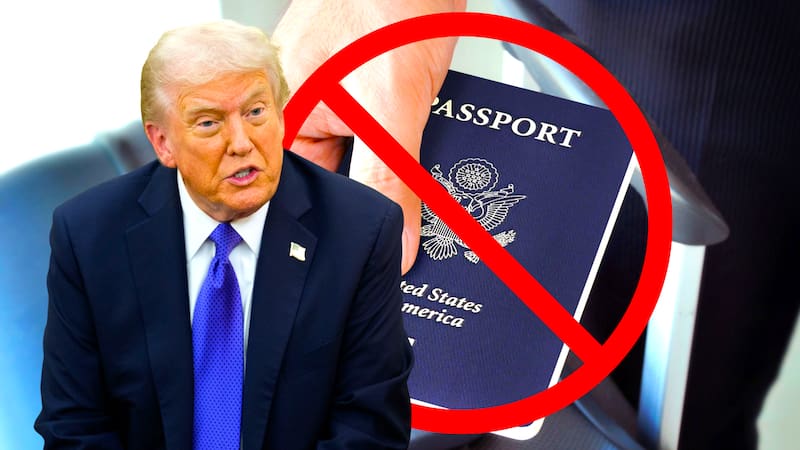
Adult U.S. passports are valid for 10 years, unlike those issued to minors under 16, which last 5 years and are not renewable.
Who should renew their passport if they want to travel in the coming months?
Those who obtained their passport between late 2016 and early 2017 should already begin the renewal process in order to comply with the 6-month rule.
Latin American countries excluded from this regulation
The Customs and Border Protection (CBP) has a list of countries that are exempt from this regulation. Citizens of these Latin American countries will only be asked to present a valid passport during their stay:
- Argentina
- Bolivia
- Brazil
- Chile
- Colombia
- Costa Rica
- El Salvador
- Guatemala
- Haiti
- Mexico
- Nicaragua
- Panama
- Paraguay
- Peru
- Dominican Republic
- Uruguay
- Venezuela