
En esta noticia
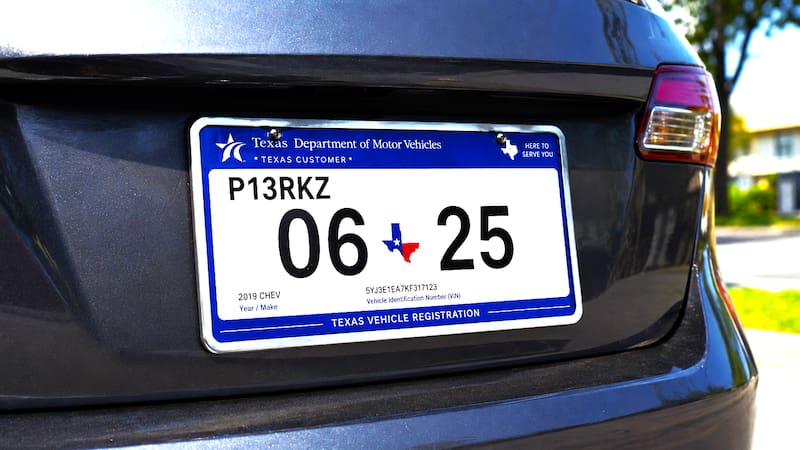
The Department of Motor Vehicles (DMV) of Texas announced an exclusionary requirement when registering vehicles in the state, which went into effect on March 5, 2026.
As of that date, in order to register a vehicle, one must comply with the so-called “ID Rule”. In this context, the state DMV requires a government-issued photo ID to be presented, something that excludes a considerable number of people.

The DMV in Texas will prohibit vehicle registration: Who will no longer be able to do this process?
Texas is joining the wave of anti-immigrant measures taking place in the United States by adding an immigration verification layer to the vehicle registration process. Since this measure went into effect, everyone who wants to carry out this procedure must present an identification that proves a legal immigration status with no irregularities.
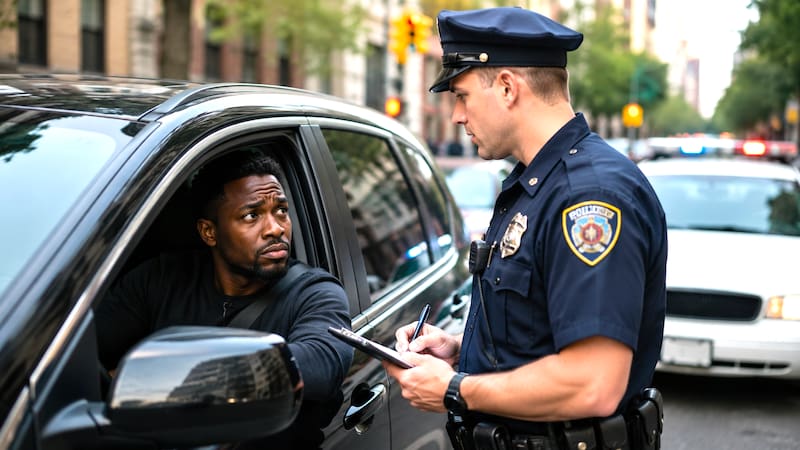
In this regard, for documents to be considered valid they must not be expired and must be able to have other supporting immigration documents that back up the paperwork. If this condition is not met, it will not be possible to register a vehicle in Texas.
Registering a vehicle in Texas: how to do it and what documents to present if I am a foreigner
All foreigners who wish to register a vehicle in Texas must prove their identity and immigration status by presenting these documents at the relevant DMV office:
- State license or ID compatible with REAL ID
- Valid U.S. passport
- Foreign passport + valid immigration documentation (visa, I-94, residency)
- Green Card or other federal documents valid

The government’s argument: How is this measure justified?
The measure being implemented by the Texas DMV comes in a context of tightening immigration policies in the United States. In this sense, the argument is to prevent undocumented immigrants from registering vehicles in Texas, according to state representative Brian Harrison.
According to Harrison, the measure aims to promote road safety and reduce the impact on insurance premiums. However, the scope could be broader than expected.
It could affect not only people with an irregular immigration status, but also citizens whose documents have expired, in a context in which several delays in renewal processes have been reported.