
En esta noticia
After the blow that was felt around the world from the blockades in the Strait of Hormuz, Turkey is seeking to develop a new infrastructure project that intends to surpass the most important energy routes globally.
This is the Istanbul Canal, a plan that would seek to create a new transit route between the Black Sea and the Sea of Marmara. The ultimate goal is to redefine maritime traffic around the world, in a context in which competition for other energy routes is intensifying.

What is happening today in the Strait of Hormuz?: the current geopolitical situation
As of May 2026, this energy route is going through a tense moment due to the conflict between the United States and Israel against Iran. It has become one of the centers of the global energy dispute, since it connects the Persian Gulf with the Indian Ocean. Around 20% of oil traded by sea and a large share of global liquefied natural gas pass through this strait.
Following the escalation of the conflict in the Middle East, Iran moved forward with new measures to administer the Strait through a special body that requires permits and tolls for certain vessels.
These measures are causing concern mainly in Europe and Asia, since a prolonged interruption of supply could directly affect the price of oil, gas, and fertilizers.
Turkey’s ambitious plan: What does the Istanbul Canal propose?
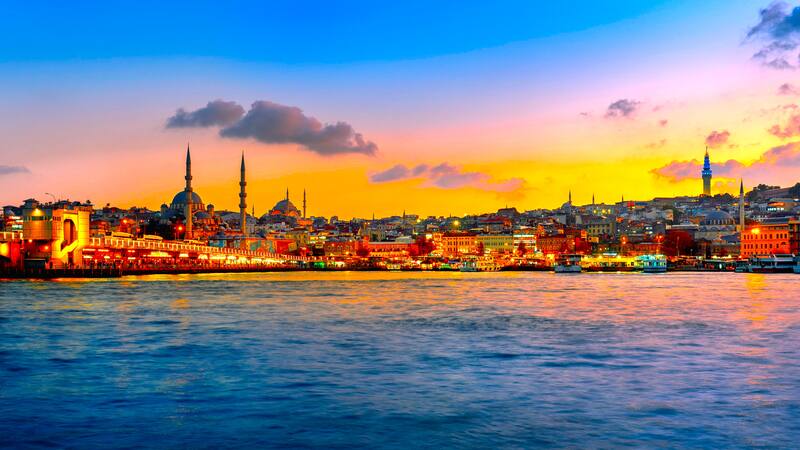
In the middle of this international and geopolitical scenario, Turkey decided to reactivate the Istanbul Canal project, which seeks to build an artificial waterway parallel to the Bosphorus to connect the Black Sea with the Sea of Marmara and the Mediterranean.
The goal is to relieve the maritime traffic currently facing the Bosphorus, which is a natural passage regulated by the 1936 Montreux Convention to allow free passage and limit possible tolls in favor of Turkey. The canal would be approximately 45 kilometers long.
Turkey seeks to control one of the most strategic routes on the planet: What stage is the project in?
This project is not yet finished: the government of Recep Tayyip Erdoğan is keeping the plan active and has once again promoted it due to the current crisis in the Strait of Hormuz and the need for new energy routes.
The total cost of the project is estimated to range between 15 billion and 65 billion dollars. Turkey believes this ambitious project could become a strategic tool to increase its influence over Eurasian maritime trade.