
En esta noticia
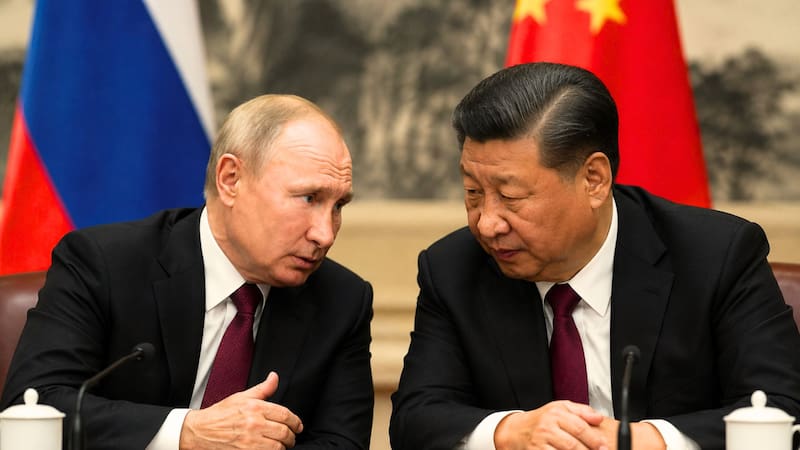
Russia and China signed a binding memorandum to build the Power of Siberia 2 pipeline, with the capacity to transport 50 billion cubic meters of gas per year from Siberia to northern China via Mongolia. The operations would be settled in yuanes, outside the Western financial system.
The pipeline will measure about 2,600 kilometers, will have a useful life of 30 years, and the first deliveries are projected for 2030. Combined with Power of Siberia 1, Russia’s export capacity to China could exceed 100 billion cubic meters annually.

What does the agreement between Russia and China on the pipeline establish?
Gazprom and CNPC signed four agreements during Putin’s visit to Beijing. The memorandum on Power of Siberia 2 is the most important, although the price, financing, and construction schedule are still pending.
According to Reuters, Russia would need at least a decade to significantly increase its exports to China through this route. Beijing is aiming for prices of $120–130 per 1,000 cubic meters, far below the international market.
Key terms
- Capacity: 50 billion m³/year
- Route: Yamal → Mongolia → northern China (~2,600 km)
- First delivery: projected for 2030
- Useful life: 30 years
- Currency: yuan, outside the dollar system
What does it mean for the dollar and the global financial system?
Power of Siberia 1 already operates with significant payments in yuan. A 30-year contract at full capacity on Power of Siberia 2 would be the largest non-dollar energy deal in history by annual volume.
In 2021, Russia supplied 10% of China’s gas imports; in 2024, that figure had already exceeded 25%. Over three decades and at maximum capacity, that energy and financial relationship would be consolidated outside the Western system.