
En esta noticia
Behind many success stories in the United States is a long road of effort, sacrifice, and setbacks. Whether they come from humble beginnings or have faced obstacles along the way, those who achieve their goals share a common trait: the persistence to keep going when the path gets hard.

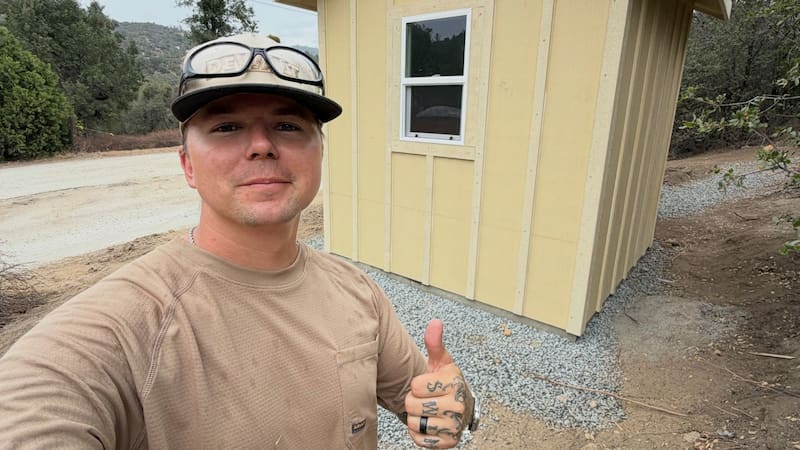
For Matt Pannela, that first important decision came much earlier than for most. At 15 he was about to become a father as his now-wife was expecting their first child. In that context, while his parents told he needed to earn money, his school encouraged him to stay on track for college.
That’s when he had to choose his own path, and the decision he made would change his life forever.
The hard decision changed Matt Panella’s life at 15 years old
“It was conflicting,” Panella, now 29, told Fortune. “Ultimately what I ended up doing was dropping out of high school, which I don’t condone.” He went to work with his father on construction sites, becoming the latest builder in a long family line.
Panella started as a laborer earning $8 an hour, picking up trash and helping experienced carpenters. He learned by watching them and studying online forums. By 18, he earned about $18 an hour. By 21, $30.
After working weeks of up to 100 hours, by 22 he was making around $200,000 a year between construction and social media. But how did he build a viral media profile as a construction worker?
A construction worker went viral on YouTube
In 2018, he began posting construction tutorials as @MattBangsWood. One video on framing a wall drew nearly 4 million views, and the pandemic boosted his audience. Today, his 550 videos have more than 118 million views.
Now he buys, renovates, and rents or sells homes and works on development projects in California. He is also building GEN1, an AI platform to simplify construction. The idea came from a “dark chapter,” as the architect designing his own house died, and the plans could no longer be used.

His best advice for other workers
Panella says office workers can also move into the trades. “If you just clock in, clock out, and don’t enjoy anything that you do, I feel like you’re doing it for the wrong reason,” he said.
Demand is strong. According to Associated Builders and Contractors, the construction industry will need 456,000 new workers in 2027, and a 2025 FlexJobs report found that 62% of white-collar workers would switch to a trade for more stability and better pay.