
En esta noticia
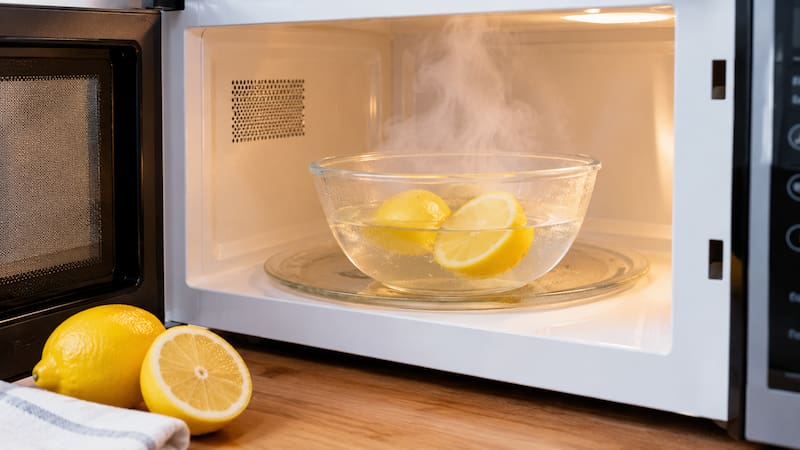
Putting lemon and water in the microwave is a simple way to make routine kitchen cleaning easier. The method relies on steam to soften food splatters and dried-on residue, making them easier to wipe away without scrubbing as hard.
The University of Georgia Cooperative Extension includes this technique in its recommendations for a healthier home environment. The University of Florida’s Institute of Food and Agricultural Sciences (UF/IFAS) also recommends a similar approach in its kitchen-cleaning guide.
The key is to let the steam work before opening the microwave door. This gives moisture time to loosen residue on the interior walls, so a damp sponge can remove it more easily.
How to clean a microwave with lemon and water
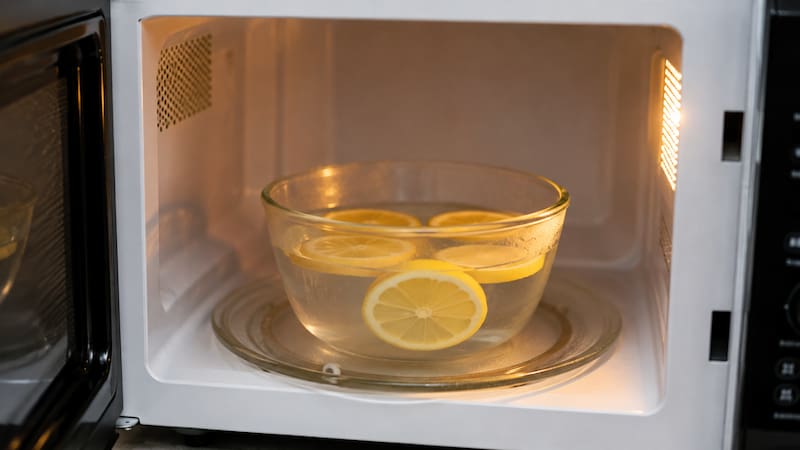
The University of Georgia’s method uses a microwave-safe bowl, water and a fresh lemon. Follow these steps:
- Pour 1½ cups of water into a microwave-safe bowl.
- Cut a lemon in half and squeeze the juice into the water.
- Place both lemon halves in the bowl.
- Heat the mixture on high for 3 to 5 minutes, or until the water boils.
- Leave the bowl inside with the door closed for another 5 minutes.
- Carefully remove the bowl, allowing it to cool if necessary, and wipe the microwave’s interior with a damp sponge.
UF/IFAS suggests a similar method using about 1 cup of water and heating the mixture for approximately 2 minutes, until the liquid boils and the window steams up. Its instructions recommend leaving the bowl inside for another 5 to 10 minutes before wiping down the surfaces.
Heating times may vary depending on the microwave’s power. The water and bowl can become very hot, so handle them carefully and avoid burns from the steam.
What to keep in mind before using this cleaning trick
Although lemon and water can make cleaning easier, the method does not replace a thorough cleaning when food residue has hardened significantly. Wipe the interior with a damp sponge after steaming and repeat the process if needed.
Always use a microwave-safe container and follow the appliance manufacturer’s instructions. Avoid touching the hot bowl immediately after heating, and open the door carefully to prevent exposure to concentrated steam.
This technique is intended to loosen food residue inside the microwave. It should not be described as a guaranteed way to disinfect the appliance or remove every stubborn stain.
The science behind cleaning a microwave with lemon and water
The method works primarily through steam and heat, rather than through a chemical reaction between the two ingredients. As the water boils, it releases water vapor that circulates inside the closed microwave. When that vapor contacts cooler interior surfaces, some of it condenses into tiny droplets, adding moisture to dried food splatters and helping soften them.
This process makes food residue easier to wipe away because moisture rehydrates the dried material and heat helps loosen its adhesion to the surface. The citric acid in lemon juice can also help dissolve some mineral deposits, while the lemon’s volatile aromatic compounds contribute a fresh citrus scent.
The main cleaning benefit comes from allowing the steam to loosen the residue before wiping it away with a damp sponge or soft cloth.
The U.S. Department of Agriculture’s Food Safety and Inspection Service similarly recommends heating water with lemon juice to loosen food residue and remove odors from a microwave. It advises leaving the mixture inside until it cools before wiping the surfaces.