En esta noticia
Indoor humidity is one of the most common problems in homes in humid climates or with poor ventilation. In addition to making walls and windows look bad, it can worsen allergies, respiratory irritation, and asthma attacks.
That is why more and more people are looking for quick, inexpensive solutions that do not require construction work.
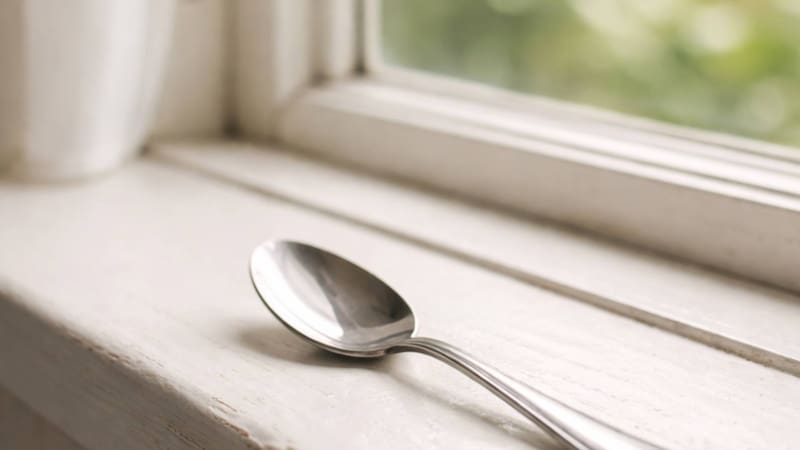
Among the tricks that go viral on social media and DIY blogs, one drew attention for its simplicity: the spoon method on the window.
What does the spoon trick consist of?
The procedure is basic and does not require any special product. You only need:
- A metal spoon (better if it is stainless steel).
- Place it on the window frame.
- Leave the handle facing inward and the concave part facing outward.
With that position, the spoon creates a cold spot that attracts water vapor before it can build up on the glass, which reduces condensation and prevents water from running down onto the sill.
Why does this method work?
The principle behind the trick is physical. When the warm, humid air in the house touches a cold pane of glass, the vapor turns into droplets.
Because the spoon has greater thermal conductivity than glass, it cools down faster and turns that area into the preferred place for the vapor to condense.
The result: the water collects on the spoon and drips outside, which keeps the glass drier and reduces the appearance of mold.
How does this method help prevent bigger problems?
Condensation is the gateway to fungus, black stains, and strong odors. When it builds up on windows, it also damages frames, paint, and wood. Reducing those daily droplets improves:
- The frame’s lifespan.
- The amount of natural light entering.
- The air breathed by the people living in the house.
And although the spoon does not replace a dehumidifier, it does work as a useful aid on very humid days.
Other homemade methods that also help
The spoon trick is quick, but it is worth combining it with other measures to achieve a healthier environment. These are the most effective:
Ventilate every day
Opening windows for at least 10 minutes allows fresh air to circulate and removes excess vapor, especially after showering or cooking.
Use dehumidifiers
Electric models extract water from the air and maintain levels between 40% and 60%, which is recommended.
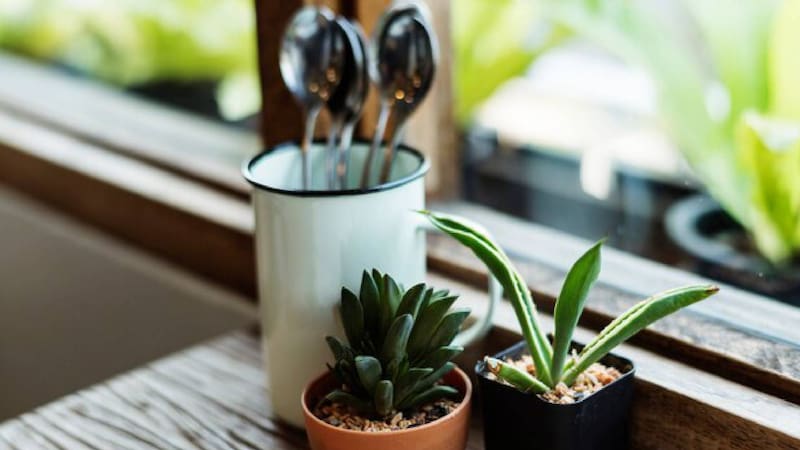
Choose moisture-absorbing plants
Fern, pothos, ivy, and bamboo help clean the air and reduce the feeling of being enclosed.
Place natural products
Coarse salt, rice, charcoal, and baking soda work as inexpensive absorbents in bathrooms, closets, and kitchens.
Fix leaks
If the humidity comes from a broken wall, damaged pipe, or leak, it is key to fix the cause to avoid structural damage.