En esta noticia
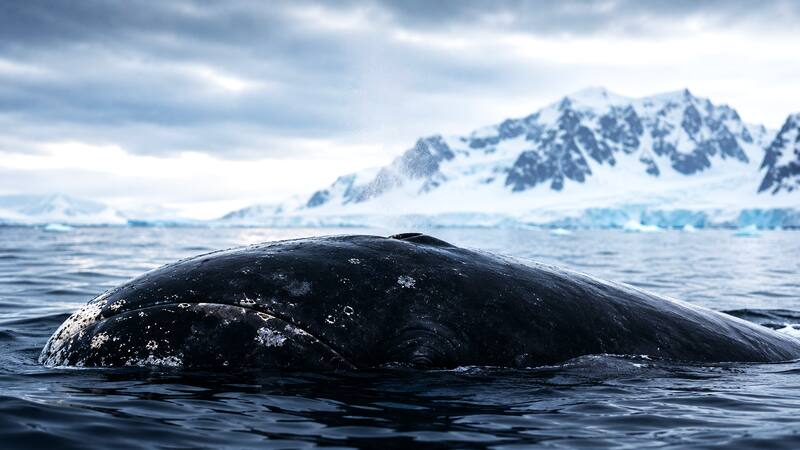
In 2007, Inuit hunters in the state of Alaska found fragments of a 19th-century harpoon embedded in the body of a freshly caught bowhead whale . The study determined that the animal was approximately 115 years old, confirming that this species is the longest-lived mammal on the planet.
The weapon was a patented explosive lance, popular in New Bedford between 1885 and 1895. Its identification allowed scientists to estimate the animal’s age with unusual precision.

Why is the bowhead whale the longest-lived mammal in the world?
The bowhead whale (Balaena mysticetus) can live more than 200 years, making it the longest-lived known mammal. The discovery of the harpoon was one of the first concrete pieces of evidence of that ability.
Studies published in Nature determined that its cells repair DNA breaks more efficiently and have lower mutation rates than those of other mammals. That mechanism explains its exceptional resistance to aging and cancer.

How do scientists determine the age of these whales?
In addition to the harpoon, researchers use a technique based on the eye lens. The lens contains an amino acid that changes shape over time, making it possible to estimate the animal’s age in a way similar to carbon-14.
Scientific analyses have confirmed that individuals of this species can exceed 200 years. Some genetic models suggest that its maximum lifespan could reach 268 years.