
En esta noticia
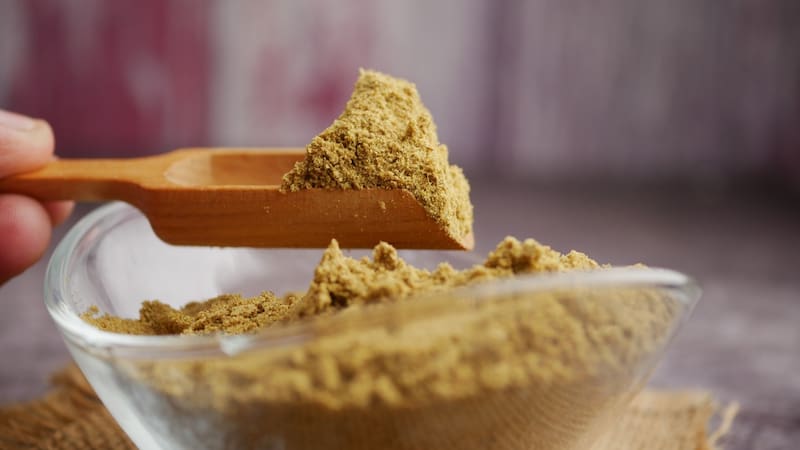
Processed bouillon cubes, powders, or granules are common ingredients in the kitchen and an affordable option for enhancing the flavor of meals, especially stews and soups.
The convenience of processed bouillon, whether in cubes or powder, makes it easy to flavor soups, rice, pasta, marinades, and stews without much preparation. However, frequent consumption can pose a health risk because of the amount of sodium they add to the body.
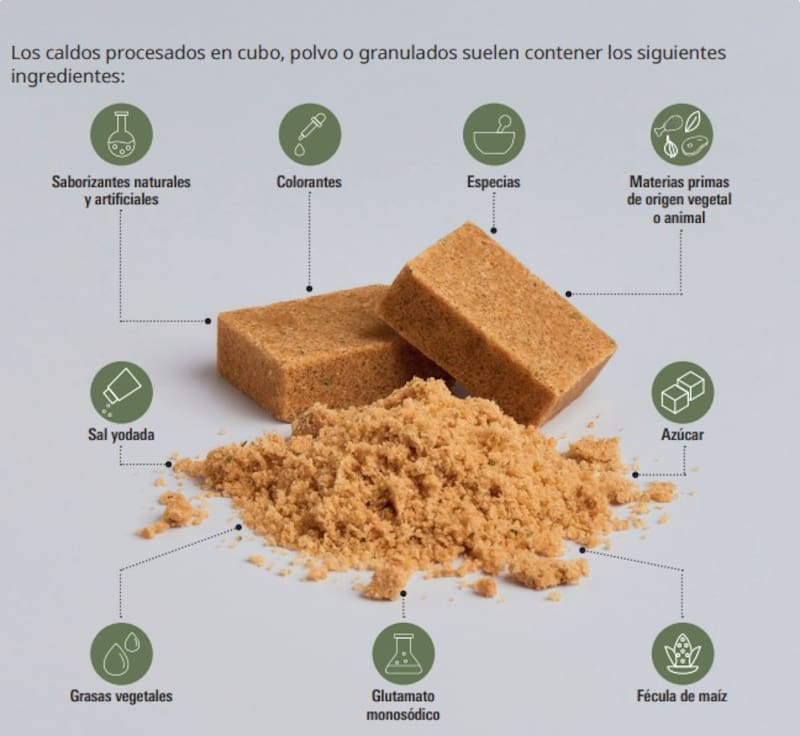
Consumer Magazine for November 2026, published by the Federal Consumer Protection Agency, Profeco, warns that these products usually contain iodized salt, natural and artificial flavorings, spices, vegetable fats, sugar, cornstarch, and monosodium glutamate, among other ingredients.
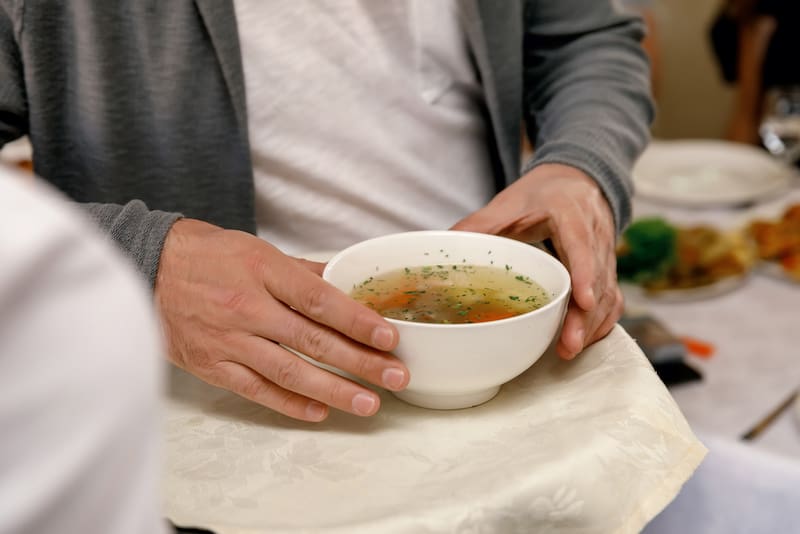
One of the main risks is tied to their sodium content. According to the World Health Organization (WHO), consuming excessive amounts of this mineral can raise blood pressure and increase the risk of cardiovascular and kidney disease.
Profeco also notes that most of these products carry the EXCESS SODIUM warning label and recommends moderating consumption and choosing homemade alternatives.
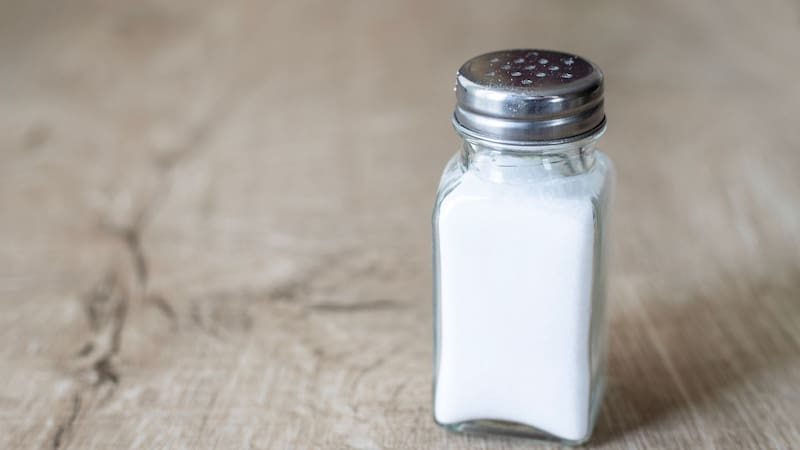
How much sodium do processed bouillons have, and why should you moderate your intake?
Industrial bouillons are sold in different forms, but their composition can include significant amounts of sodium chloride. Profeco cites the specifications of the NMX-F-603-NORMEX-2003 standard, which sets quality parameters for these products, although compliance is not mandatory.
Among the maximum sodium chloride percentages set out in the standard are:
- Chicken bouillons: 55% for granules or powder and 60% for cubes
- Beef bouillons: 52% for granules or powder and 60% for cubes
- Shrimp bouillons: 50% for granules or powder and 60% for cubes
- Other bouillon varieties: 54% for granules or powder and 60% for cubes
These percentages refer to the standard’s maximum specifications, not to a measurement of the content in each brand.
Meanwhile, the WHO recommends that adults consume less than 2,000 milligrams of sodium per day, equivalent to less than five grams of salt. Regularly exceeding that amount can contribute to high blood pressure and its complications.
“The main health effects associated with diets high in sodium are high blood pressure (which increases the risk of cardiovascular disease), stomach cancer, obesity, osteoporosis, Meniere’s syndrome and kidney disease,” the WHO says.
How do you convert sodium to salt to know how much you consume each day?
Packaged products usually list sodium in milligrams on their nutrition facts. However, that amount can be converted to grams of salt to compare it with WHO recommendations.
According to the organization’s sodium-to-salt converter:
- 1 gram of salt equals 400 milligrams of sodium
- 5 grams of salt equals 2,000 milligrams of sodium
- To make the conversion, divide the milligrams of sodium by 400. For example, if a product contains 800 milligrams of sodium, that equals two grams of salt
To reduce daily intake, WHO recommends:
- Choose fresh, minimally processed foods
- Take the salt shaker off the table and cook with little or no added salt
- Replace salt with herbs and spices
- Limit sauces, dressings, and instant products.
- Choose low-sodium foods
WHO also recommends replacing regular table salt with reduced-sodium salts that contain potassium when table salt is used. All salt consumed should be iodized.
As for bouillons, Profeco advises choosing homemade preparations made with meat, fish, seafood, or vegetables, because they let you control the amount of salt and know exactly which ingredients were used.