
En esta noticia
For decades, there was an organ that medicine considered of little importance after childhood because it shrinks considerably.
However, a new study shows that the thymus plays a much more significant role when it comes to longevity and protection against serious diseases.

The Organ That Could Make the Difference in Longevity: What Function Does the Thymus Serve?
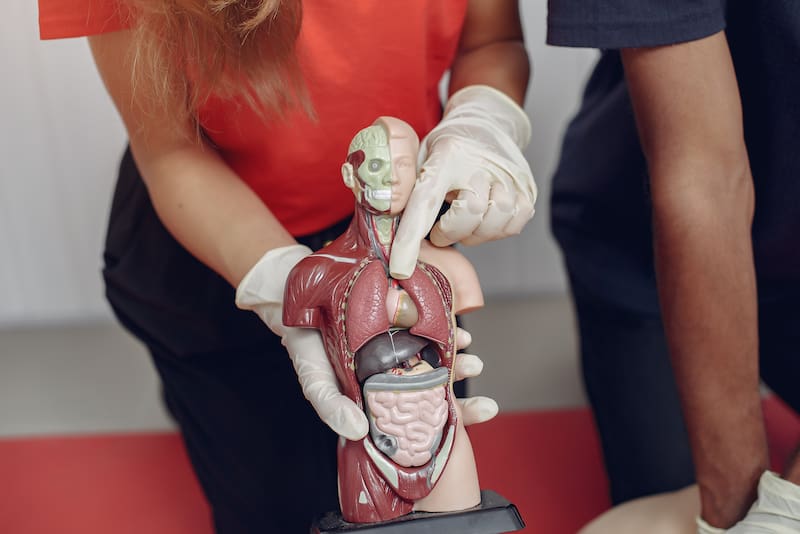
The thymus is a small organ located behind the sternum and in front of the heart that is part of the immune system.
Its function is essential during the first years of life, since this is the organ in which T lymphocytes mature and are responsible for recognizing and fighting viruses, bacteria, tumor cells, and other foreign agents, while not attacking healthy tissues of the body itself, thus preventing autoimmune diseases.
What Does the Research Say About the Role of This Small Organ?
The study was conducted by researchers at Mass General Brigham and published in the journal Nature. They developed an artificial intelligence system capable of assessing thymus health through routine CT scans.
The scientists analyzed information from 27,612 people belonging to two major studies:
- National Lung Cancer Screening Trial (NLST)
- Framingham Heart Study (FHS)
They classified the participants according to their thymic health and the results showed that those who retained a healthier thymus had a lower risk of death from any cause, particularly from cardiovascular diseases.
In addition, a lower likelihood of developing lung cancer, lower levels of systemic inflammation, and better metabolic function were also observed.

Thymic Health: What Is It and How Is It Measured?
According to the authors of the studies, the concept of thymic health is used to describe the degree to which the organ maintains its functionality over time.
To measure it, they developed a deep learning algorithm that analyzes images obtained through computed tomography (CT).
Artificial intelligence evaluates the organ’s composition and determines how much functional tissue it retains: the greater the proportion of active tissue and the less fat infiltration, the better the thymic health:
- Low thymic health (bottom 25%).
- Intermediate thymic health.
- High thymic health (top 25%).
How Can You Care for the Thymus?
Although the study does not specify a specific way to care for the thymus, it does reveal factors that influence the health of this organ, such as:
- Age: over time, aging reduces its size.
- Sex: women showed better thymic health than men.
- Smoking: smoking was associated with poorer thymic health.
- Obesity and metabolic health: elevated triglycerides, glucose, and blood pressure were linked to poorer thymic health.
- Physical activity: those who remained physically active showed better thymic health.