
En esta noticia
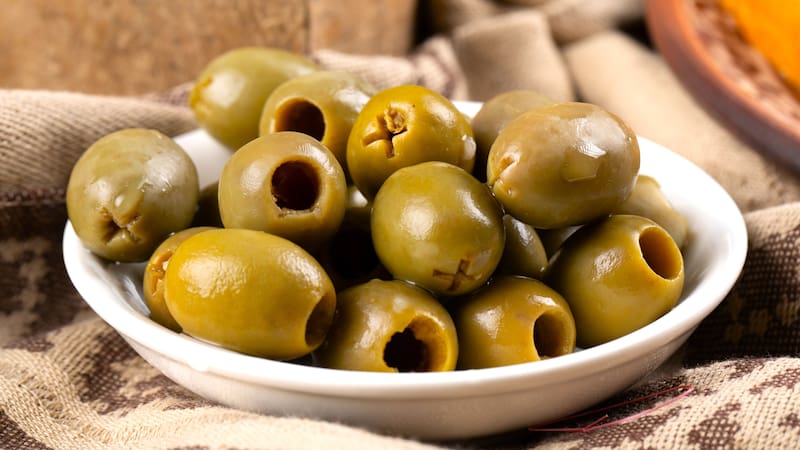
Olives are a highly common food in healthy diets because of the nutritional value they can add to any dish.
In that vein, and according to nutrition experts, consuming them in moderation can even provide nutrients that benefit cardiovascular health and help keep blood pressure at healthy levels.
Although it is emphasized that there are no “magic foods” to control blood pressure, different eating patterns—such as the Mediterranean diet, for example—encourage the inclusion of foods rich in healthy fats, fruits, vegetables, legumes, and whole grains. In that context, olives can be part of a dietary strategy to support heart health in everyday life.

Why diet is essential for maintaining healthy blood pressure, according to experts
High blood pressure, known as hypertension, usually does not present visible symptoms. However, it can cause significant damage if it is not controlled.
Specialists at Harvard University point out that a balanced diet can play an important role in prevention and treatment. For this reason, in addition to reducing sodium intake, a healthy diet includes
- fruits and vegetables
- low-fat dairy products
- legumes
- nuts
- whole grains
- unsaturated fats
Which nutrients in olives benefit heart health
According to experts at Cleveland Clinic, olives are made mostly of fat, but for the most part it is monounsaturated fat, considered beneficial for cardiovascular health.
Among their most notable components is oleic acid, which is also present in olive oil. This type of fat can help
- raise HDL or “good” cholesterol
- lower LDL or “bad” cholesterol
- reduce blood pressure
In that sense, if this food is consumed in moderation as a healthy snack, it can add healthy fats, fiber, and antioxidants to meals, helping preserve heart health and control blood pressure.