
En esta noticia
For decades, some of the largest gold mines in Latin America concentrated thousands of workers in extreme conditions. The search, collection, and extraction of this precious metal transformed towns and generated disputes over control of wealth and worker safety.
Today, there are many areas that remain inactive due to the risk or the lack of investment for extraction. However, gold fever remains alive, and many are interested in revitalizing open-pit mining.
This is the case of the Serra Pelada gold mine, the largest artisanal open-pit excavation in Brazil’s history, which faces major challenges to resume operations, although its reopening still remains a possibility. Disputes between miners and heavy debt complicate the realization of this dream.
The story behind the largest open-pit gold mine in Latin America
The Serra Pelada mine, located in the Brazilian state of Para, became a symbol of gold fever during the 1980s. Its discovery triggered a massive influx of miners and turned the region into a hub of extractive activity.
At its peak, nearly 100,000 workers were concentrated in the excavation, which came to be considered one of the largest open-pit gold mines in Latin America. Today, the more than 150-meter-deep hole of the former mine is filled with water and looks like a lake.
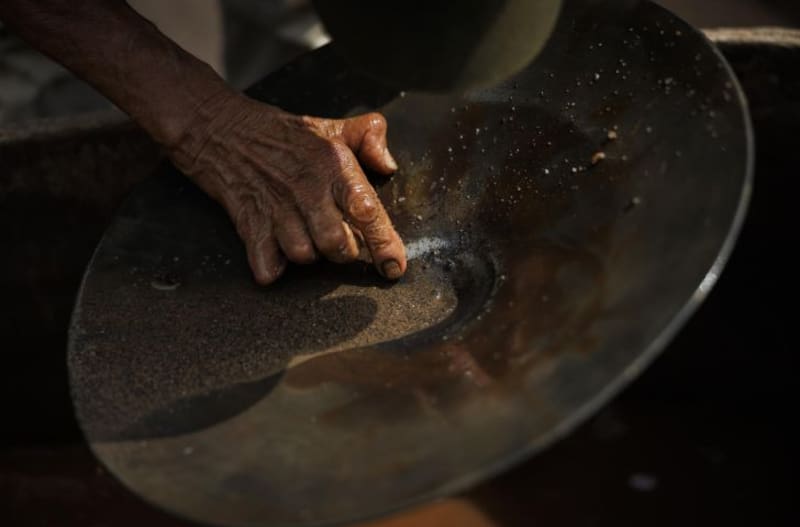
The work was completely manual, and the miners carried 30- to 60-kilogram sacks of rock and climbed wooden stairs known as “Goodbye, mommy.” Each day involved constant risks, such as landslides and falls, while the workers searched for gold.
The final closure of the Serra Pelada mine
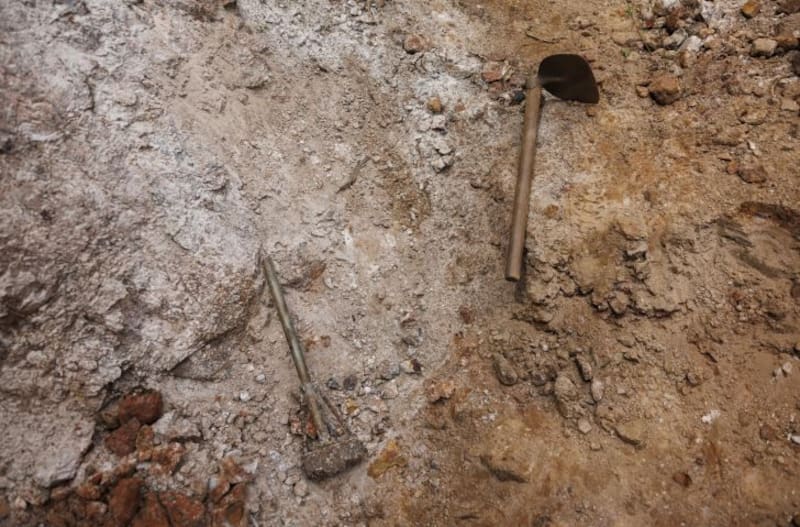
The government closed the mine in 1992 for safety reasons, and by then extraction was already in decline. Among the veteran workers, Chico Osorio stands as a living example of artisanal mining. After decades of experience, he continues to inspect wells and deteriorated machinery in the area.
Osorio was lucky and extracted almost 700 kilos of gold; he deposited part of it in a bank, used a little more to buy two small planes, and invested the rest in equipment. On the other hand, his savings bank went bankrupt, and from his initial investments he now has only this pit and some machinery left.
“The hardest part is reaching the gold; after that, money is no longer lacking, nor good equipment”, he said optimistically in an interview compiled by the EFE news agency.
Plans to reopen Brazil’s largest open-pit gold mine
Today, many former miners live in Curionopolis and take part in local cooperatives. These organizations are trying to reactivate the mine, but they face internal disputes, multimillion-dollar debts, and legal problems that complicate the obtaining of permits and the planning of new operations.
Some miners have chosen clandestine activity, although various police operations have been carried out to stop this illegal practice. Even so, informal extraction shows that gold is still present in the ground and that there is still a chance of recovery.