
En esta noticia
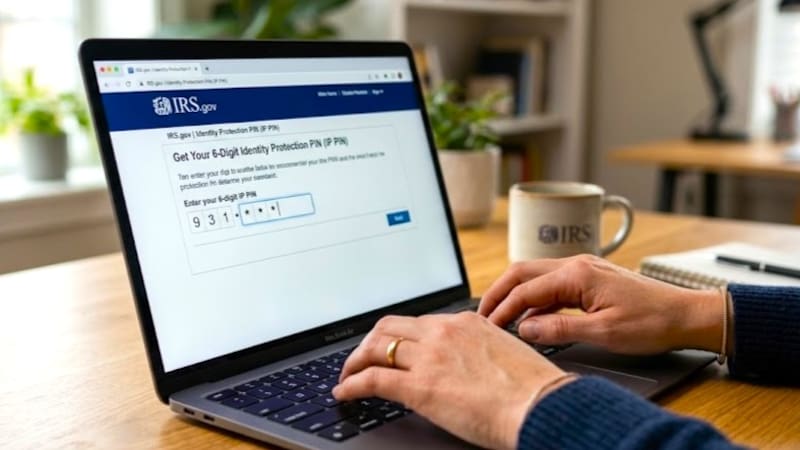
An Identity Protection PIN, known as an IP PIN, is a six-digit number that the IRS uses to verify a taxpayer’s identity when a federal tax return is filed. It is available to taxpayers with a valid Social Security number or Individual Taxpayer Identification Number who can verify their identity.
The IRS allows taxpayers to request an IP PIN even if they have never experienced identity theft. The number changes each year, and taxpayers who enroll online can remain in the program for future years.

How to get an IRS Identity Protection PIN
The IRS says the fastest way to obtain an IP PIN is through an IRS Online Account. The process is:
- Create or access an IRS Online Account. Taxpayers without an account must verify their identity.
- Go to the IP PIN section of the profile. From there, taxpayers can enroll in the program.
- Choose the enrollment option. Taxpayers can enroll continuously or opt in for the current calendar year only.
- Retrieve the PIN when needed. The current IP PIN is available through the taxpayer’s online account.
What if you cannot access your IRS account?
Taxpayers who cannot verify their identity online have other options. Those who meet the IRS income requirements can submit Form 15227, while others can request an appointment at a Taxpayer Assistance Center for in-person identity verification.
Once a taxpayer has an IP PIN, it must be included with federal tax returns. An incorrect or missing PIN can cause an electronically filed return to be rejected or delay the processing of a paper return.

How to avoid scams involving your IP PIN
The IRS warns taxpayers not to share their IP PIN. The agency will never call, email, or text asking for the number, so a message requesting it should be treated as a potential scam.
If someone has already used your information to file a fraudulent tax return, the IRS has a separate identity-theft process to help taxpayers report the incident and protect future filings.