En esta noticia
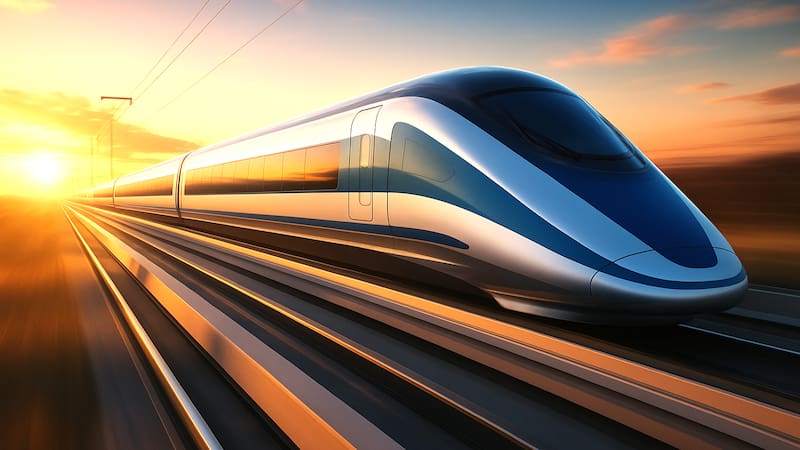
The construction of the fastest train in history, with the capacity to exceed 600 kilometers per hour, represents a significant milestone in the field of high-speed transportation, driven by initiatives that aim to push boundaries and reshape mobility on a large scale.
This advance does not operate on wheels and adopts a system totally different from that of the conventional railroad, generating global anticipation as its implementation approaches.

How does the fastest train in the world, capable of exceeding 600 km/h without using wheels, operate?
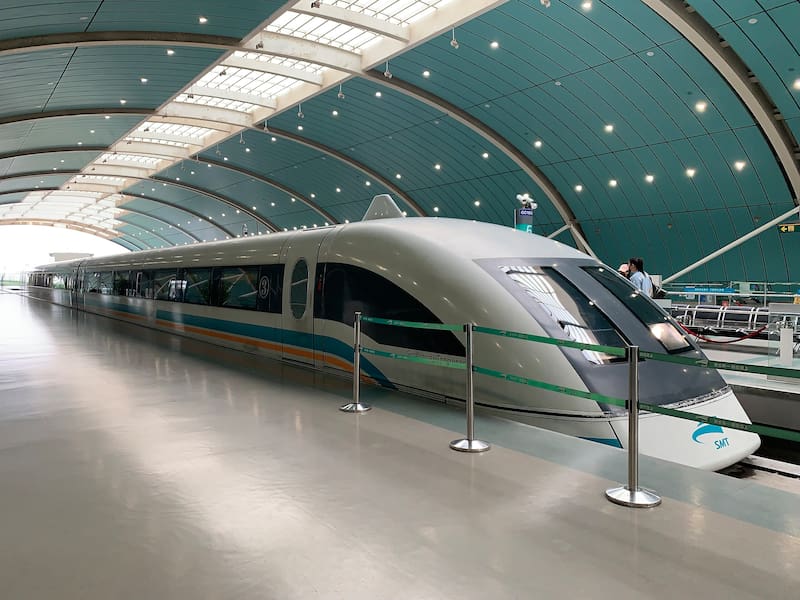
The fastest train under construction is the Japanese Maglev, capable of surpassing 600 km/h thanks to a magnetic levitation system that completely eliminates contact with the track. Instead of wheels, it works through a set of electromagnets installed both on the train and on the rails, generating a repulsion that allows it to float a few centimeters above the ground.
Developed by the Central Japan Railway Company, this innovative mechanism uses SCMaglev technology, which begins to lift the train once it reaches 150 km/h. By eliminating friction, the train can steadily increase its speed with proven safety in multiple tests.
Key points about how it works
- It levitates above the track through magnetic repulsion.
- It eliminates friction and allows speeds above 600 km/h.
- It uses superconducting magnets called bogies.
- A more stable, quieter, and safer ride than a conventional train.
When will the world’s fastest train be available, and what will its implications be for passengers?
The Chuo Shinkansen project, which will put this new generation of wheel-less trains into operation, continues to move forward and will connect Tokyo and Nagoya and later Osaka. Once it begins operating, it will make it possible to travel between Tokyo and Osaka in approximately 67 minutes, which is less than half the time currently required by a traditional train.
The route will cover 286 km of track, 80% of which will run through tunnels, ensuring a direct route and optimizing top speed. This project includes the construction of new stations, environmental assessments, and 16-car trains with capacity for one thousand passengers, designed to offer a faster travel experience with a lower environmental impact.

How it will affect users
- Shorter trips than by plane over medium distances.
- Fewer emissions and less noise pollution.
- More stable operations and no vibrations.
- Enhanced safety: Japan still has no reported deaths on high-speed trains.