
En esta noticia
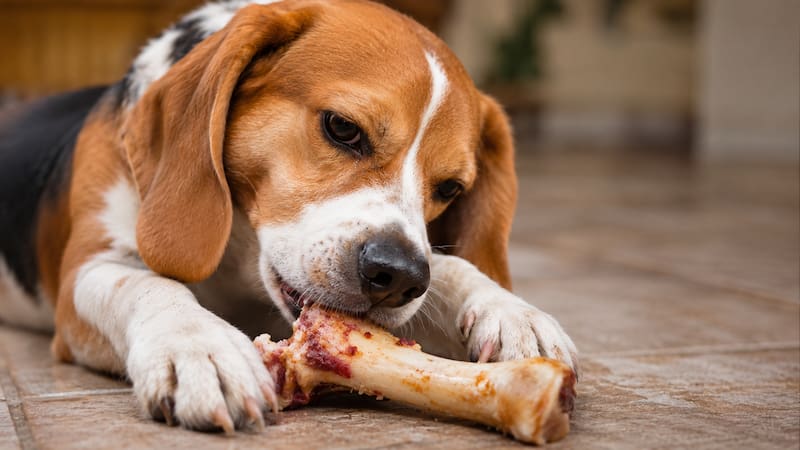
For many pet owners, giving dogs bones is a way to reward them or keep them occupied. However, this habit can pose a danger to their health, even when the bones seem appropriate for their size.
According to VCA Animal Hospitals, a network of veterinary hospitals in the United States and Canada, bones can cause mouth injuries, intestinal blockages, and other complications that require medical attention.
Why is giving a dog a bone dangerous for its health?
Although giving dogs bones is a common practice, it can pose a major health risk. One of the main dangers is that bones can break into small or sharp pieces that the animal may accidentally swallow and cause:
- Choking: fragments can get stuck in the throat, making breathing difficult.
- Intestinal blockage: pieces of bone can build up or become lodged in the digestive tract.
- Internal perforations: splinters can injure the esophagus, stomach, or intestines.
- Dental fractures: chewing on bones that are too hard can break teeth.
- Bacterial infections: raw bones can contain harmful microorganisms, such as Salmonella.
Cooked bones are especially dangerous because they can splinter, and raw bones can cause injuries, blockages, and infections.
What other foods should dogs not eat?
In addition to bones, there are many common household foods that can be toxic or harmful to dogs.
Among the main ones are:
- Chocolate contains theobromine and caffeine, substances that can cause poisoning, heart problems, and seizures.
- Grapes and raisins can cause acute kidney failure.
- Onion and garlic contain compounds that can damage red blood cells and cause anemia.
- Xylitol: this sweetener, found in some gum, candy, and sugar-free products, can cause a dangerous drop in blood sugar and liver damage.
- Alcoholic drinks can cause vomiting, breathing difficulties, and neurological problems.
- Caffeinated foods and drinks, such as coffee and some energy drinks, can affect the nervous system and the heart.
The severity of poisoning depends on the food, the amount consumed, and the animal’s characteristics. If ingestion is possible, it is recommended to consult a veterinarian immediately.
What should you do after giving a dog a bone to eat?
If a dog ate a bone, the first thing to do is remove any remaining fragments and contact a veterinarian, even if the animal does not show discomfort right away.
It is important to specify what type of bone the dog ate, whether it was raw or cooked, its approximate size, and how much time has passed since ingestion.
It is also important to watch for possible signs of complications such as:
- Persistent vomiting or retching.
- Difficulty breathing or swallowing.
- Abdominal pain or swelling.
- Blood in the stool or vomit.
- Constipation or difficulty defecating.
- Loss of appetite, weakness, or lethargy.
If the dog has trouble breathing, severe pain or shows signs of a blockage, it needs emergency veterinary care.
Do not induce vomiting or give home remedies without professional guidance, because the fragments can cause further injury.