
Por Pedro Bianco
En esta noticia
Many drivers think refusing to blow into a breathalyzer is a way to avoid trouble if police stop them. In the United States, the opposite is true: refusing the breath test on its own triggers an automatic penalty that in most cases means a driver’s license suspension.
This is not a decision by any one agency, but rather the result of implied consent laws in all 50 states.
What is implied consent?
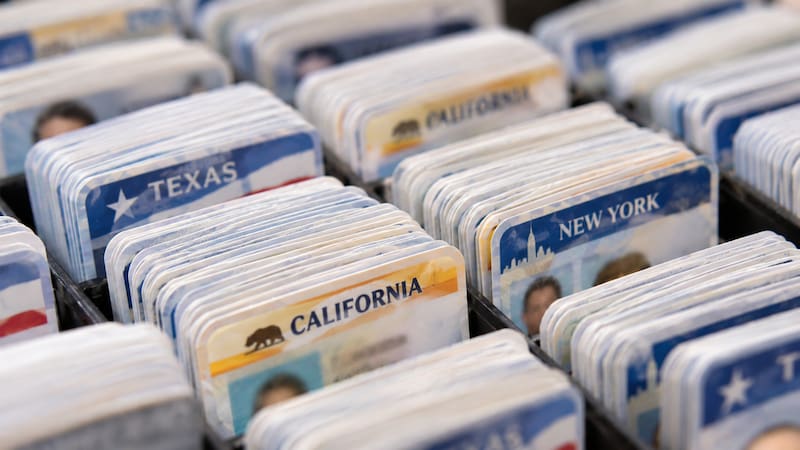
Implied consent is a legal principle in effect nationwide: when a person gets a driver’s license, they already agree in advance to submit to a chemical test for alcohol or drugs — breath, blood or urine — if an officer requests one after a stop on suspicion of drunk driving.
In other words, permission does not need to be given at the moment: it is considered given once the license is issued, along with acceptance of the automatic consequences of refusing.
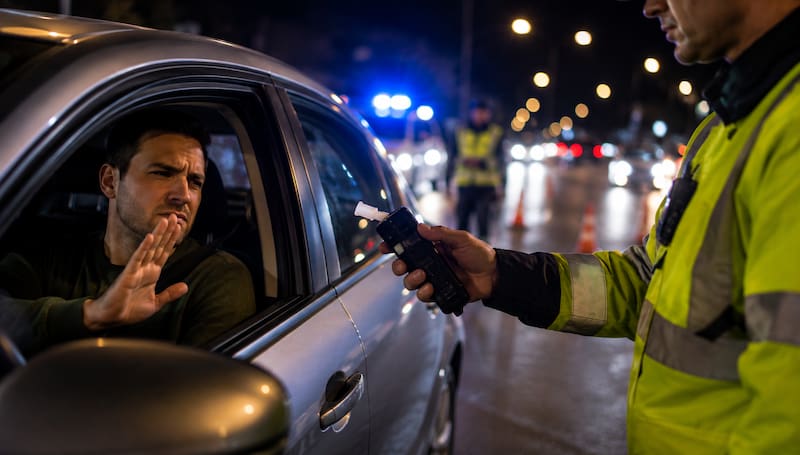
Police generally cannot physically force someone to take the test. But refusing comes with its own legal penalty, and that is where license suspension comes in.
They automatically suspend the licenses of people who refuse a breath test
When a driver refuses the chemical test, an administrative penalty is triggered, separate from what happens later in the criminal case, and its most common result is suspension or revocation of the license. In most states, the driver must surrender the license immediately upon refusing, and then the state motor vehicle agency formally imposes the suspension.
The length varies by state and depends on whether there are prior offenses. A few examples show the range: in California, a first-time refusal by a driver with no prior DUI convictions leads to a one-year suspension; in New York, the automatic suspension runs from six months to one year; in Massachusetts, it is six months for first-time refusals and much longer for people with a prior drunk-driving conviction. In general, prior offenses make the penalty more severe.