
En esta noticia
For years, the penny was the coin left in the register tray or forgotten at the bottom of a pocket. Now, it could become a museum piece. On Monday, the Senate unanimously passed H.R. 10167—the Common Cents Act—which now awaits only the President’s signature.
A summer of legislative work
Both chambers worked on similar versions during the hot months. The House of Representatives gave its approval by voice vote earlier this month. The Senate, for its part, had already passed an identical version by unanimous consent in August.
The text that reached the final stretch differs slightly from another version that made its way through the Capitol earlier this year. That one ordered the Treasury to stop minting pennies, but did not explicitly establish the end of the coin.
A penny that is nearly dead
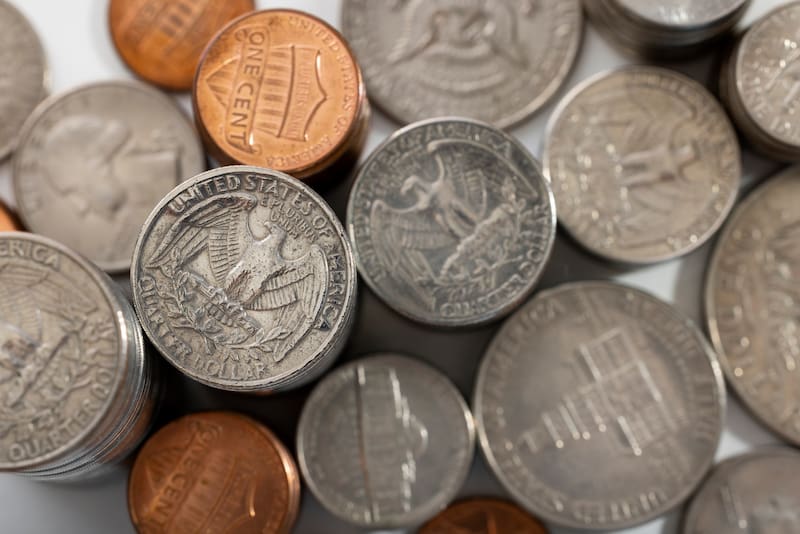
In practice, the penny was already on its way out. This year, collector’s pieces were issued for the country’s 250th anniversary, but none has been struck for circulation since last fall.
The law would make that situation official, though it would still allow one-cent coins to be made “as numismatic items.” Those already in circulation would keep their value: they would remain legal tender for paying debts, taxes and public charges.
Paying in cash, without the headaches
Since businesses began reporting penny shortages last summer, paying in cash has become clunky. Some businesses rounded on their own, and others offered gift cards or promotions in exchange for coins. The paradox is that there are pennies to spare: it is estimated that more than 300 billion exist, about $8 per resident. They just don’t make it to the cash registers, and the law would not change that.
What it would change is legal certainty. Businesses would be authorized to round cash payments to the nearest nickel, something some states and localities prohibit today. That was the point highlighted, in separate statements, by the National Retail Federation and the National Association of Convenience Stores when celebrating the bill’s passage.

The nickel, at center stage
With the penny gone, the nickel becomes the country’s smallest coin, and it has its own cost problem. In fiscal year 2025, making one cost more than 13 cents, a figure slightly lower than the 13.78 cents of the previous year.
The law does not eliminate this coin, although at least one expert has argued it would have been simpler to do without it instead of the penny. What it does do is authorize the Treasury Secretary to test and evaluate new compositions and to propose one if it reduces production costs and has a minimal adverse impact on machines designed to accept coins. One option would be to make it from zinc with an outer layer of nickel. Today only the penny and the $1 coin use zinc, which last year cost nearly $7,000 less per tonne than copper, according to the Mint.
Changing a coin’s composition, however, is not simple. Earlier attempts to make the penny cheaper failed.
What remains
Trump’s signature is still needed. The president had already asked the Treasury, early last year, to stop minting pennies, calling them “wasteful.” If he enacts the law, that administrative decision will become a legal mandate.