
En esta noticia
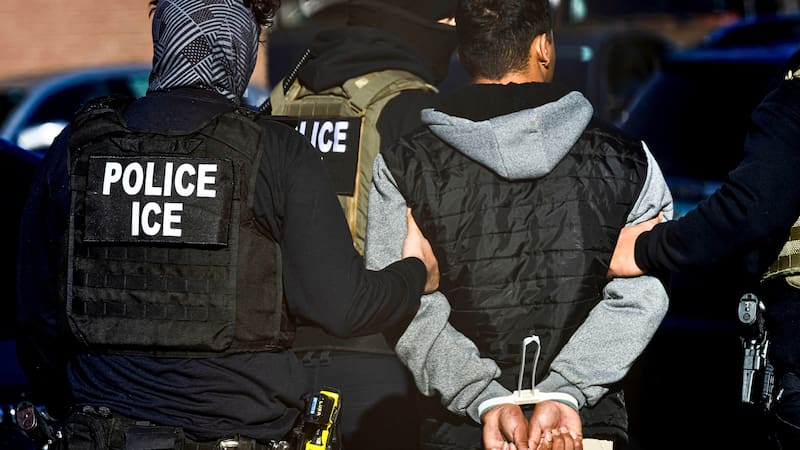
U.S. Immigration and Customs Enforcement (ICE) arrested 131 U.S. citizens during Operation Metro Surge in Minnesota, according to new information disclosed by the agency. The figures provide a more detailed picture of the federal immigration enforcement operation and show that American citizens were among those arrested during the months-long crackdown.
The arrests took place between January 8 and May 20, according to a letter sent by ICE acting director David Venturella to Representatives Ilhan Omar and Angie Craig. The document was shared with Axios and provides one of the most detailed accounts of the agency’s activities during the operation.

Why were U.S. citizens arrested?
According to ICE, the 131 U.S. citizens were arrested primarily in connection with allegations that they had assaulted or impeded federal officers.
However, the cases did not all result in federal prosecution. ICE reported that only 44 of the 131 arrests were accepted by the U.S. Attorney’s Office for prosecution on charges involving impeding an officer.
That means the majority of the arrests of U.S. citizens did not result in cases being accepted for federal prosecution, according to the information disclosed by the agency.
The distinction is important because an arrest does not necessarily result in criminal charges or a conviction. The ICE figures refer to people who were arrested during the operation, while the prosecution numbers indicate how many cases were subsequently accepted by federal prosecutors.
How many people did ICE arrest during Metro Surge?
The figures involving U.S. citizens represent only a small portion of the broader enforcement operation.
ICE reported 4,674 noncitizens arrested during Operation Metro Surge. Of those individuals, 1,864 had criminal histories, representing just under 40% of the total.
The operation therefore resulted in thousands of arrests involving noncitizens, while the newly disclosed figures show that more than one hundred U.S. citizens were also arrested during the same period.
What happened during the operation?
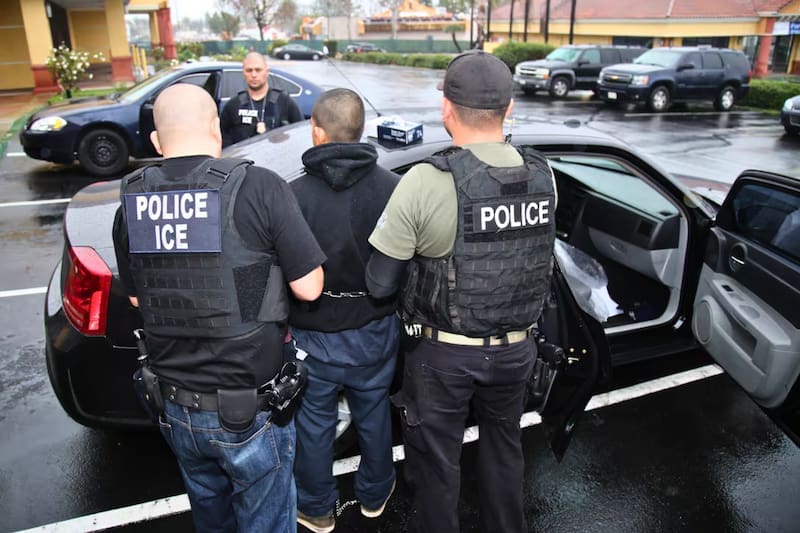
Operation Metro Surge was a major federal immigration enforcement effort in Minnesota. The administration presented the operation as a response to immigration violations and threats to law enforcement.
The disclosure about U.S. citizens has drawn additional attention because it shows that the operation also involved American citizens who were not subject to immigration removal.
Rep. Ilhan Omar criticized the arrests, arguing that the operation represented an excessive use of federal authority. The Department of Homeland Security, meanwhile, defended the enforcement campaign and said federal officers had faced what it described as a coordinated campaign of violence against them.
The debate over arrests and federal enforcement
The new figures have intensified questions about how federal immigration operations were conducted in Minnesota.
Critics have focused on the number of U.S. citizens arrested and the fact that only a portion of those cases were accepted for federal prosecution. Supporters of the operation have emphasized the government’s claim that officers faced violence and interference while carrying out their duties.
The data also highlights the difference between being arrested and being prosecuted. While ICE reported 131 arrests of U.S. citizens, only 44 cases were accepted for prosecution by the U.S. Attorney’s Office, according to Venturella’s letter.
What the new ICE figures reveal
The disclosure provides a clearer picture of the scale of Operation Metro Surge. Alongside the 4,674 noncitizen arrests, ICE’s figures show that 131 U.S. citizens were also arrested during the operation.
The information does not mean that the 131 citizens were arrested for immigration violations. Rather, ICE said the arrests were primarily connected to allegations involving federal officers.
For that reason, the figures offer an important distinction in understanding the operation: U.S. citizens were arrested during an immigration enforcement surge, but the cases involved allegations of interference with or assaults against federal officers rather than immigration status.