
En esta noticia
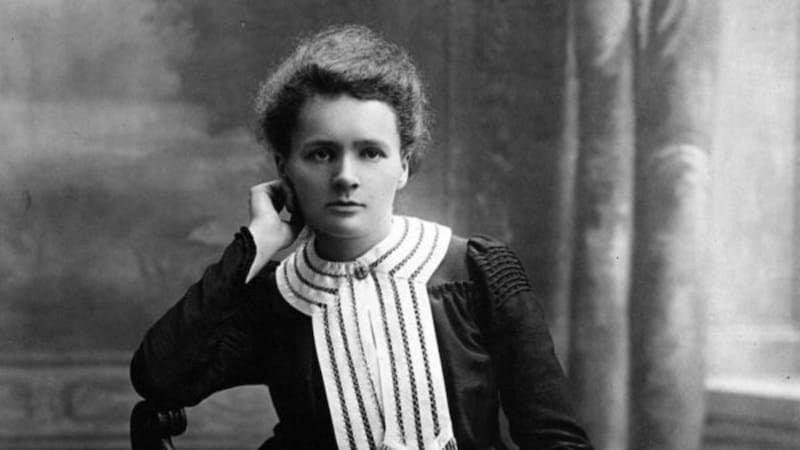
Marie Curie became one of the most important scientists in history thanks to her research on radioactivity and her contributions to physics and chemistry.
Her career enabled her to receive the Nobel Prize in Physics in 1903 and the Nobel Prize in Chemistry in 1911. Beyond her discoveries, she also left reflections linked to the way life is understood: “The best life is not the one that lasts the longest, but the one filled with good deeds”.

Marie Curie’s historic phrase: What does it mean?
Marie Curie’s reflection proposes a way to measure the value of life that is not determined only by its duration. Instead, it places first the actions carried out and the mark a person can leave on others.
Seen this way, a full life would not necessarily be one that lasts more years, but one in which time is used to contribute, help, discover, or generate a positive impact.
This idea can be linked to Marie Curie’s own life, as she dedicated decades to research and maintained that knowledge should have a purpose that went beyond individual recognition.
Marie Curie: a life dedicated to science
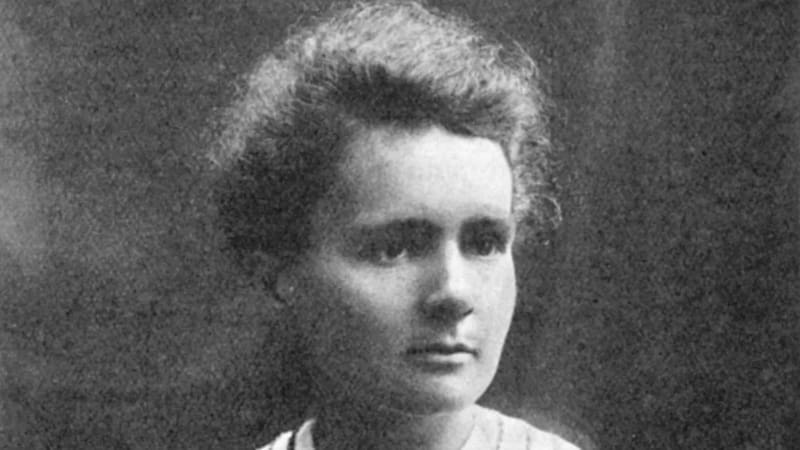
Marie Curie was actually born as Maria Salomea Skłodowska in Warsaw on November 7, 1867. She later moved to Paris, where she studied Physics and Mathematics at the Sorbonne University.
There she meets Pierre Curie, with whom she develops important research on radioactivity. Both worked on the study of this phenomenon and took part in investigations that led to the discovery of two new elements: polonium and radium.
In 1903, Marie Curie shared the Nobel Prize in Physics with Pierre Curie and Henri Becquerel for their research on radiation phenomena.
Eight years later, she received the 1911 Nobel Prize in Chemistry alone, linked to her work on radium and polonium. In this way, she became the first person to win two Nobel Prizes in different scientific disciplines.

What legacy did Marie Curie leave?
Marie Curie’s contributions went beyond her discoveries in the laboratory. During World War I, she participated in the development and use of vehicles equipped with X-ray devices, later known as the “little Curies”.
These units made it possible to bring diagnostic imaging techniques closer to wounded soldiers and facilitate the identification of fractures, bullets, and other injuries that required treatment.